 Skip to content
Identify the tile and profile
Confirm material, dimensions, interlock and availability. A close color match alone does not make a replacement tile compatible.

Keep the roof profile you like while checking what supports and seals it underneath. USAHI helps you compare tile, underlayment, flashing and attachment as a complete roof system.
Discuss your roofing projectExplore cost planning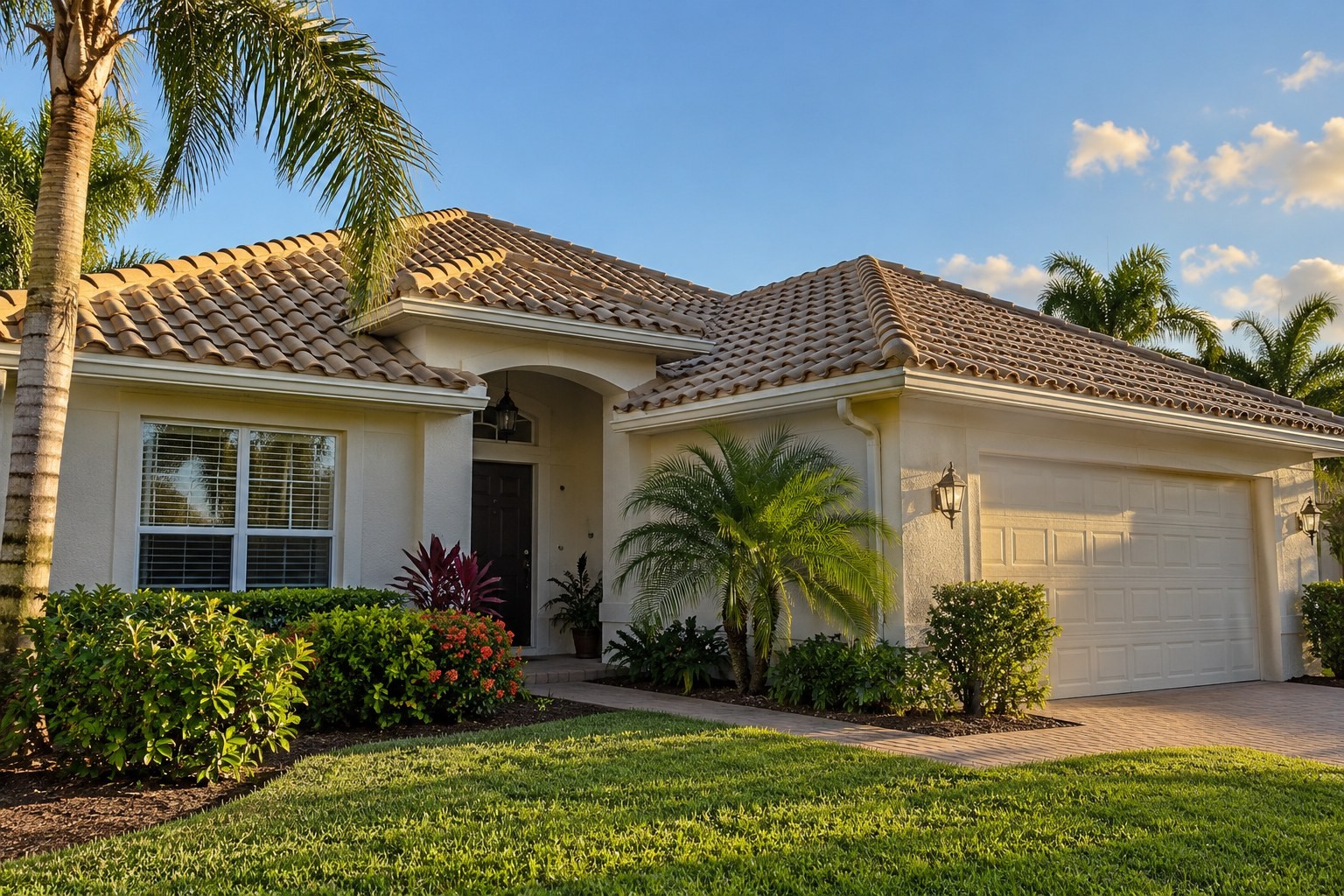
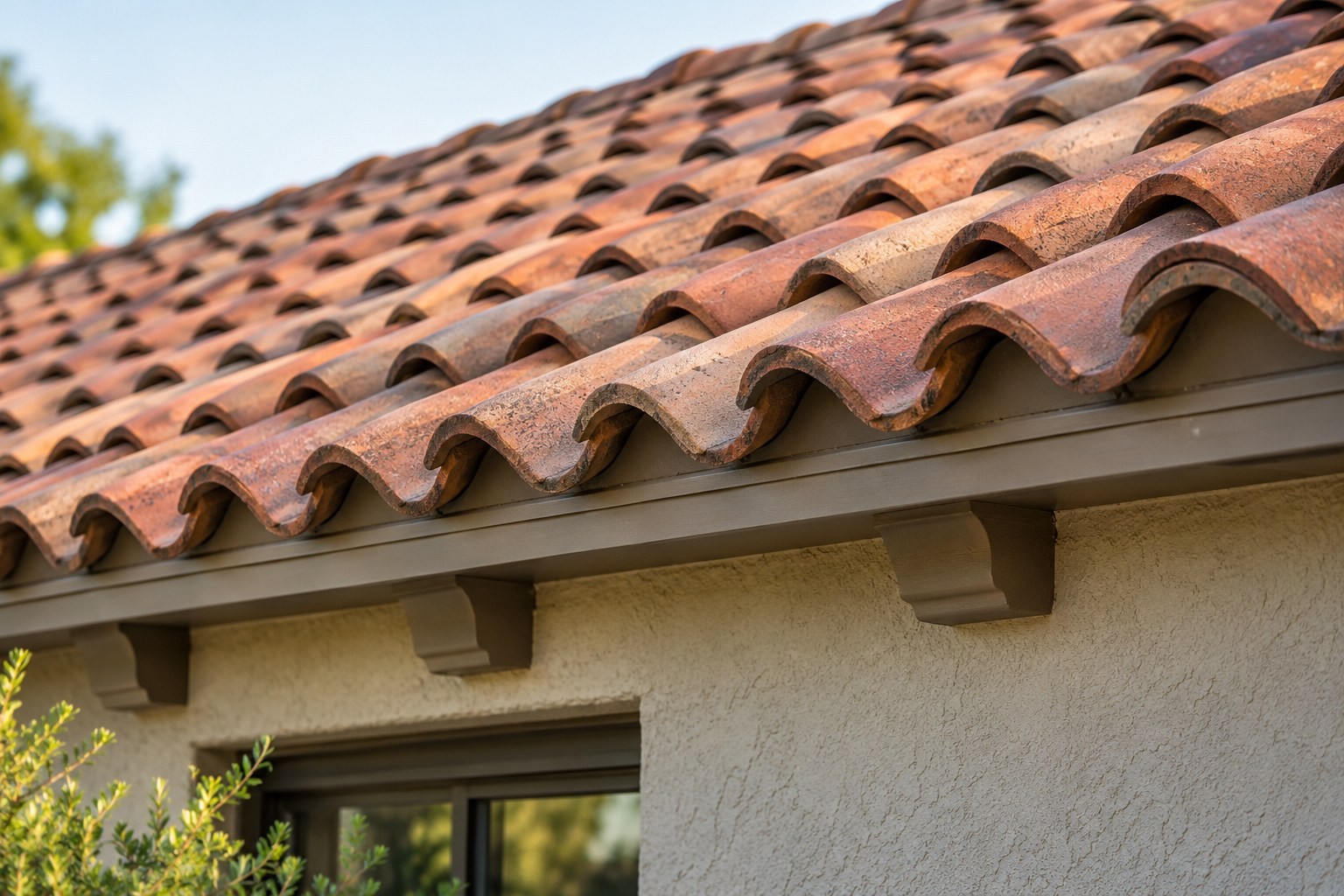
Concrete and clay tiles are roof coverings with different products, profiles and finishes. The roof also relies on supporting construction, underlayment, flashing and attachment. Sound-looking tiles alone do not establish that all the layers beneath them are in good condition. Compare roofing material choices.
For repair or replacement, identify the existing tile and examine the underlayment and deck where appropriate. A new layer of tile does not explain what happens to concealed water protection. Decide whether the scope involves selected tile repairs, lifting and reinstalling suitable tiles over renewed underlying layers, or a complete replacement. Those are different projects with different handling, waste and finish implications. Compare the full roof replacement scope.
No. Concrete tile is made from a cement-based mix with sand or aggregates; clay tile is made from clay-based material that is fired. Both come in different profiles and finishes. Compare the actual proposed tile’s dimensions, installed weight, attachment and care rather than assuming all tiles with a similar shape are interchangeable.
No. Underlayment, flashings and penetrations can need attention even where the tile surface looks sound.
Possibly, depending on condition, compatibility, removal damage and the proposed system. Agree how reusable and broken tiles will be handled. A reuse proposal should identify underlying work, tile handling and the method for dealing with unavailable matching pieces. Reuse is a project decision, not an automatic saving.
Often a localized repair can be considered, but the surrounding tile and underlying layers need assessment too.
Only after the structure and complete proposed assembly are assessed. A change of covering is more than a color choice. Have the added design or strengthening work identified before ordering. Include the finished roof details and changes at gutters, edges or adjoining slopes in that assessment.
Use these three checks to compare proposals for the actual property.

Tile profile is the visible part. Underlayment, attachment and roof details need their own specification.
Confirm material, dimensions, interlock and availability. A close color match alone does not make a replacement tile compatible.
Ask how underlayment, deck and flashing condition will be evaluated and documented.
Changing the roof covering may affect structural loading and attachment details. Have suitability checked before committing to a new material.
Compare material choices in the context of the actual roof. Compare roofing materials for South Florida homes.
A tile roof can look similar before and after important underlying work. The proposal should explain what is changing and why, even when many existing tiles remain.
The tile surface is only part of the water-shedding assembly. Ask how the contractor will inspect the underlying layers and trace leaks around valleys, walls and penetrations. If those layers are renewed, identify the new materials and how they connect to the retained roof. A promise to replace broken tiles alone is a different scope.
Reusing sound tile may be feasible, but suitability is not established by appearance from the ground. Ask how tiles will be assessed, what happens if they break during handling and where compatible replacements will come from. Agree on shortages and appearance before work begins rather than assuming all removed tiles return to the roof.
A change to the roof covering needs a review of the supporting structure and the proposed assembly. Ask who checks suitability and whether design work or strengthening is included. An existing tile roof also needs an assessment of damaged deck or support areas; keeping the material does not make deterioration irrelevant.
Color is not the only matching issue. The replacement tile's shape, dimensions and interlock must work with the existing material. Ask to see the proposed match and the repaired area's expected appearance. When an old profile is unavailable, discuss practical alternatives before accepting a patch that merely looks similar. Plan a compatible tile-roof repair.
Choose the material for the roof and the home, with the complete installation specified.
Flat and shaped tile profiles give the roof different texture and depth. Compare the whole elevation, including hip, ridge and edge pieces, against the house. A single loose tile cannot show the scale of the pattern across a roof plane or how the edges will finish.
Identifying the actual tile helps determine whether compatible replacements are available. That reduces uncertainty when an older roof needs attention. Keep the product information and any spare-material arrangement in the completion records for later service.
A clear scope brings underlayment and flashing into the decision instead of focusing only on tiles. This is particularly useful when leaks recur but the main field of tiles looks intact. Ask for an explanation of the water path and the layers the proposed work will actually renew. See how a roof repair scope is assessed.
Confirm how field, hip, ridge and edge tiles are secured under the selected system's requirements. Ask how ridge and edge details are included rather than assuming they follow automatically from the field tile. The contractor should explain the system appropriate to the actual roof.
A written tile-handling plan clarifies what is retained, replaced and priced if breakage occurs. Clarify whether new replacement tiles will be mixed into the existing field, placed in a separate area or handled another way. Have the appearance decision documented before removal begins.
Compare material options against the existing structure, roof geometry, exposure and complete installed scope.
| Option | What it involves | When to consider it | Check first |
|---|---|---|---|
| Shingle roofing | Overlapping asphalt-shingle covering. | Consider it when an overlapping shingle profile suits the home and roof assembly. | Deck, underlayment, flashings and attic design. |
| Tile roofing | Individual concrete or clay tiles over a specified roof assembly. | Consider it when the tile profile suits the house and the supporting structure is suitable. | Structure, tile compatibility, underlayment and attachment. |
| Metal roofing | Panel covering with system-specific seams and attachment. | Consider it when the panel appearance and selected seam and attachment approach suit the roof. | Panel type, material, finish, seams and penetrations. |
Use visible changes to prepare questions for a professional assessment. Understand signs a roof may need replacement.
A visible symptom is a reason to investigate, not a diagnosis by itself. Arrange a professional assessment without accessing the roof.
Have the area assessed without walking on the roof. The condition underneath may also need attention. Discuss temporary protection for exposed damage.
Ask for underlayment, flashing and penetrations to be evaluated; the visible covering may not be the entry point.
Recurring problems deserve a review of the wider assembly rather than another surface-only repair.
Recurring leaks and damaged details deserve a defined repair plan. Read about roof damage before storm season.
The cost depends on the actual roof, its condition and the work included. Ask for a measured, itemized proposal so you can compare equivalent scopes.
Review material, preparation, repairs, access, disposal and any required approval or inspection responsibilities. Confirm how additional work will be documented and agreed.
Request a scoped estimateArea, slope, roof planes, valleys, penetrations and access affect the work. Tile handling around valleys, hips and penetrations can make two roofs with similar areas different projects.
Exact covering, underlayment, attachment, flashing and finish choices affect the proposal. Include field tiles, ridge and edge pieces, the attachment approach and all underlying layers being renewed, with the proposed reuse quantities clearly described.
Define tear-off, disposal and how newly exposed deck or surrounding damage is measured and authorized. Confirm breakage and replacement-tile pricing as well as the process for documenting damaged deck. Distinguish necessary roof work from separate interior restoration.
Identify the system, concern, condition and access.
Confirm materials, details, responsibilities and changes.
Coordinate weather, site protection and required approvals.
Confirm the completed scope, care and written records.
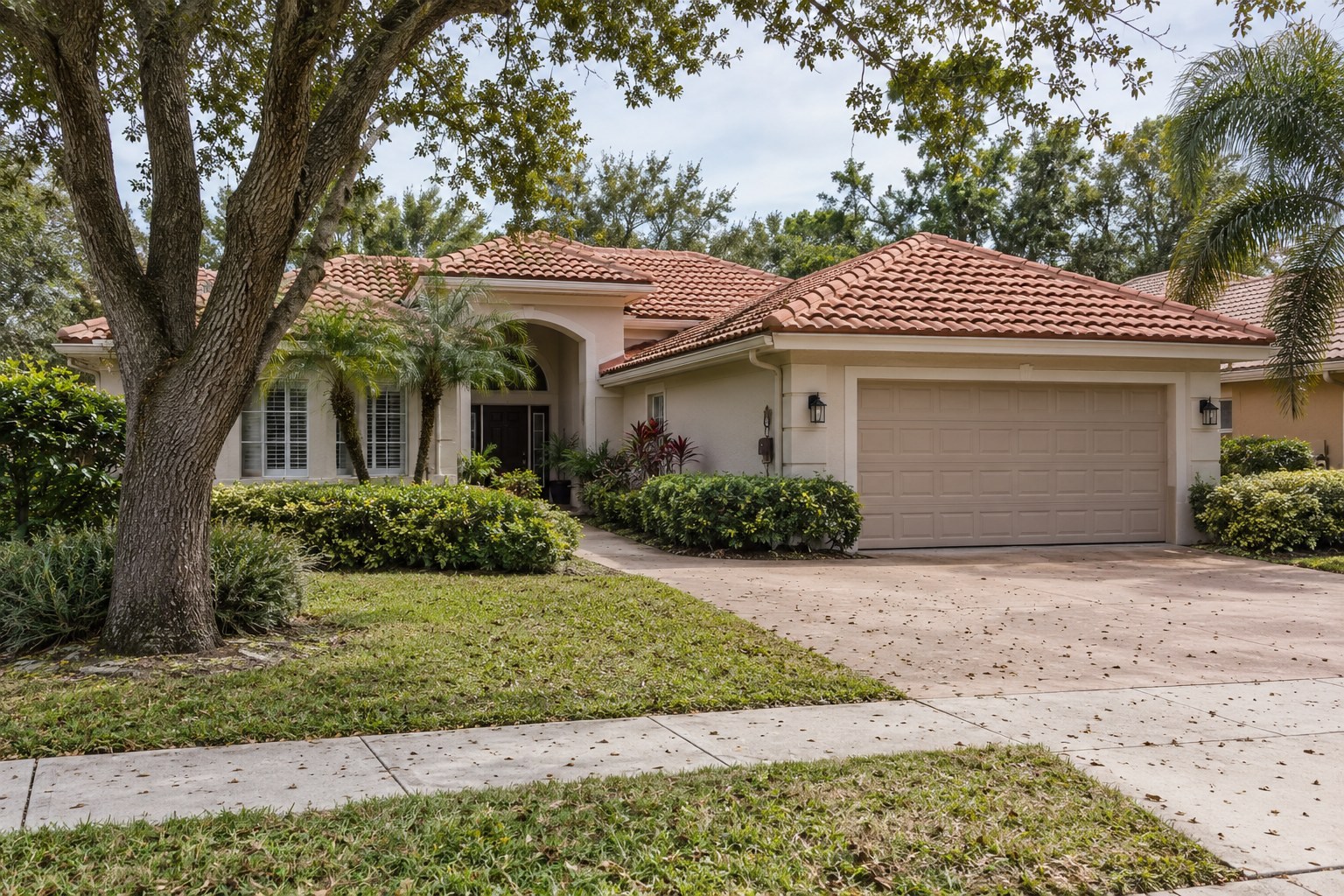
Review the proposed work, then explore current payment options.
Explore financing optionsFinancing may be available for qualified homeowners through independent third-party providers. Terms, eligibility and availability depend on the program and location. Review the written offer, total repayment and any fees before committing.
Compare the complete project scope first. Keep the work specification separate from the payment offer so a monthly amount does not hide different materials or excluded repairs.
Arrange qualified inspection and maintenance rather than accessing the roof yourself.
Use the selected tile and system's care guidance. Do not assume aggressive cleaning is harmless.
Keep safe ground-level photos and repair records, and arrange assessment of newly displaced or damaged tiles.
Request the measured roof area and exact tile system, removal scope, deck repair terms, underlayment, attachment, flashings, penetrations and edge details. Include access, protection, disposal, permits, inspections and written product and workmanship warranty terms.
Discuss the roofing scopeBring the condition of your roof, your priorities and your questions. Ask for the recommended work and the reasons behind it in writing.
Discuss your roof with USAHIBrowse our existing service-area pages, then discuss availability and the requirements for your roofing project. These are general area guides, not dedicated pages for every roof type.
Use these answers to prepare for an assessment of your actual roof. The proposal should explain the recommended work and why it fits the condition found.
No. The cause and extent of damage determine whether targeted repair, underlying work or replacement is appropriate. Ask which layers are sound, which have failed and how far the work must extend to make reliable connections. A repair recommendation should identify its boundaries; a replacement recommendation should explain why a smaller scope is inadequate.
Not necessarily. Availability, product changes and weathering can affect the match. Review samples and the proposed repair area. An exact profile match can also be difficult on older roofs. Confirm both fit and appearance, and agree on what happens if compatible material cannot be sourced in the quantity needed.
It may be possible after assessment. The scope must address removal, reusable tile quantities, breakage, deck repairs and compliant reinstallation. Ask who determines which tiles are reusable, what breakage allowance applies and how shortage costs are authorized. Keep removal, underlayment work and tile reinstallation distinct in the scope so none is assumed.
No. Their attachment and water details matter to the completed roof. Include them in the inspection and replacement scope. Ask about hip, ridge and edge pieces in any repair or replacement proposal. Their condition may differ from the main roof field, and matching pieces can have their own availability issues.
The exact tile, underlayment, flashing, attachment, reuse or replacement plan, deck repair terms and written warranties. Also identify access, disposal, gutters or fascia affected by the work, the process for concealed deck damage and the person responsible for permits and inspection closeout.