 Skip to content
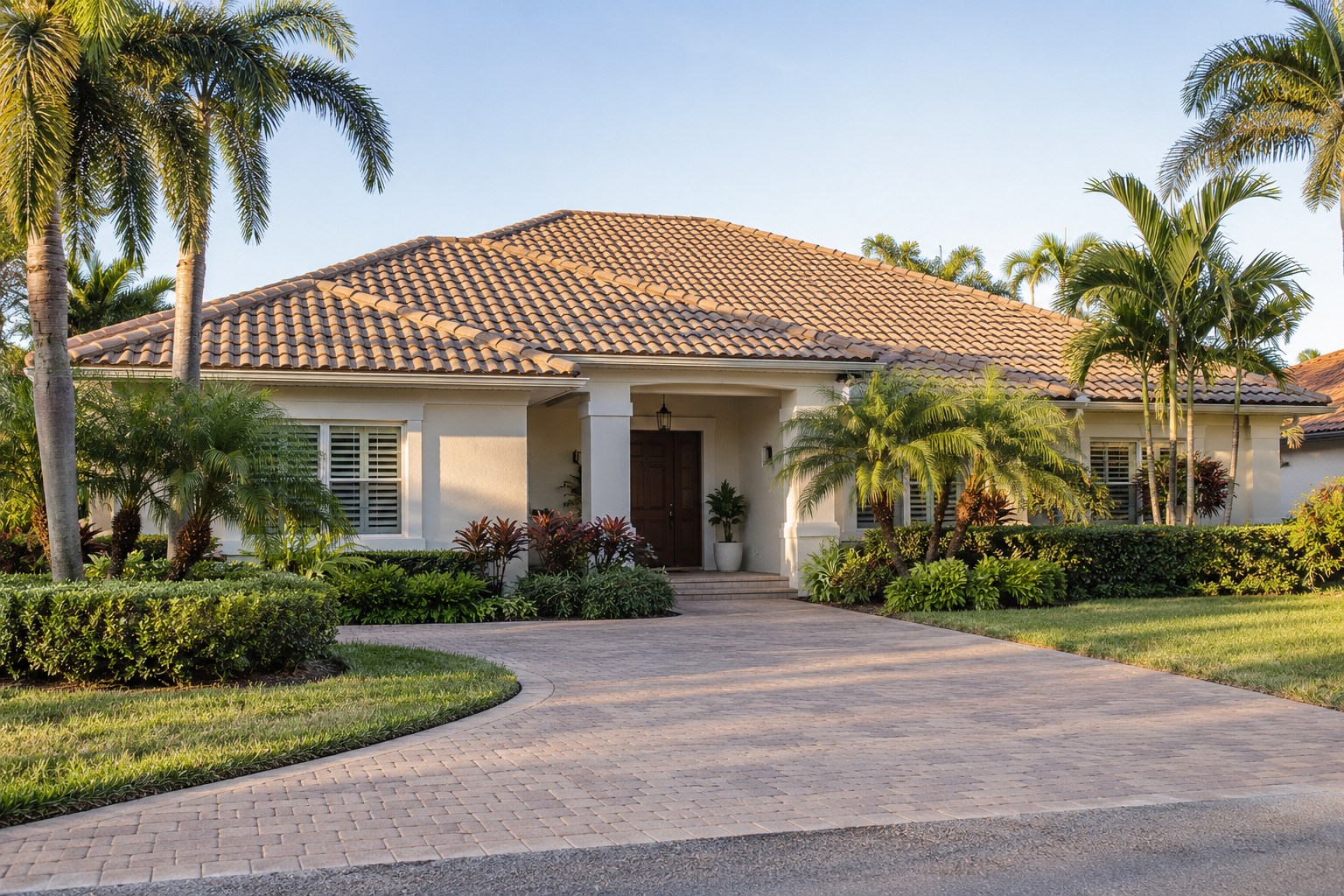

Shingle roofing
Overlapping asphalt shingles with underlayment, flashings and attachment planned as a system.
Explore shingle roofing
We explain the choices, the work and the responsibilities before you decide.
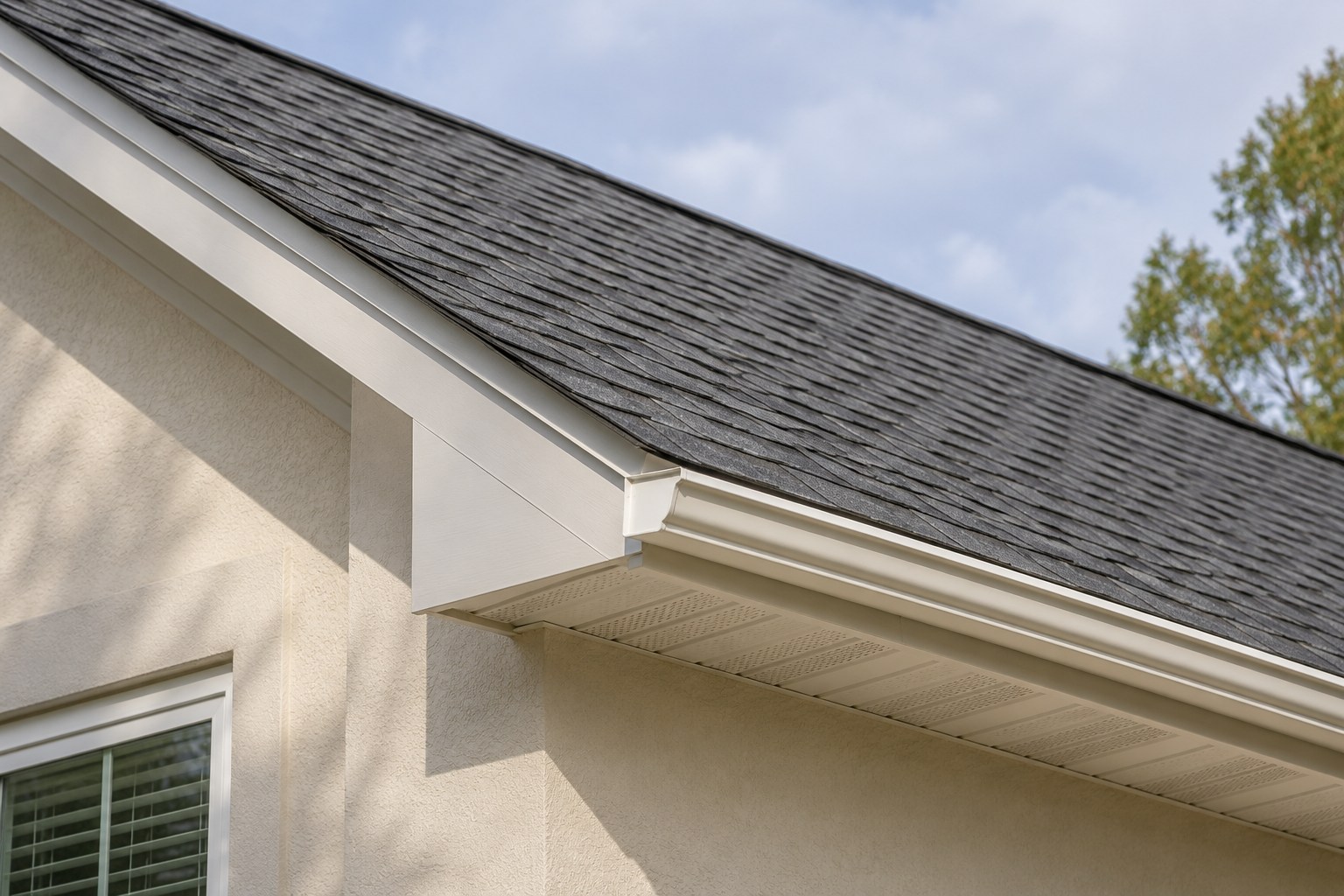
Tell us about leaks, visible damage and previous repairs. We assess the roof condition and explain the findings that support repair, coating or replacement.
We identify the proposed products and the surrounding work. Your estimate should say what is included, what remains outside the scope and how additional work would be agreed.
The written proposal identifies product selection, scheduling, any required approvals and the responsible people. We explain owner signatures or association review separately where they apply.
Agree the operation or completion checks, inspection records, care instructions and written product and workmanship terms. Keep the service contact and any outstanding items in the handover record.
Discuss service availability and the requirements for your actual property. Find your existing service-area guide.
Plan your roofing projectChoose an option to read its detailed guide. We assess suitability for your property; these categories are starting points, not a specification.
Showing all 8 options. The assessment determines what suits your project.
Overlapping asphalt shingles with underlayment, flashings and attachment planned as a system.
Explore shingle roofingProfile and appearance balanced with support, underlayment and attachment.
Explore tile roofingPanel profile, seams, fastening and roof transitions selected together.
Explore metal roofingDrainage, membrane and penetrations coordinated for the actual low-slope area.
Explore flat & low-slope roofingA coating option only after substrate, moisture, adhesion and repair checks.
Explore gaco roof coatingTemporary protection where conditions allow, followed by permanent assessment.
Explore emergency roof tarpingWork on an identified defect and the affected layers of the existing roof.
Explore roof repairRemoval, exposed conditions and a complete new system specified together.
Explore roof replacementA material or brand alone does not describe the roof. Record the selected covering or membrane, supporting layers, preparation, repairs and detail package. Gaco coating requires its own suitability and preparation assessment.
Each possible improvement depends on the selected product, existing conditions and the completed work. Here is the benefit to discuss and the check that supports it.
Possible benefit: An assessed repair or replacement can address the identified entry route.
What to check: We investigate relevant roof and wall details; a ceiling stain does not prove that the defect is directly above it.
Possible benefit: A targeted repair may retain sound surrounding material; broader deterioration may justify replacement.
What to check: Ask for the findings and what would remain after each option. A coating does not replace rotten decking or remove trapped moisture.
Possible benefit: Planning the roof edges, junctions and water routes can address details a covering-only price misses.
What to check: The proposal should identify which drains, flashings, penetrations and surrounding repairs are included.
Possible benefit: A suitable system can balance appearance, slope, support and future care.
What to check: Compare the complete assembly and attachment requirements. A material name alone does not establish wind performance or an insurance credit.
Possible benefit: Product identification and care records help you plan follow-up work.
What to check: Agree the inspection records, written warranty terms and service contact. Keep equipment maintenance coordinated with roof care.
Use the proposal to understand what is recommended, why it fits the existing conditions, and what evidence or instructions apply. Ask us to explain an unfamiliar record before you decide.
Condition, drainage, supporting layers and transitions can change the recommendation. A coating cannot make trapped moisture or a deteriorated deck disappear. Review coating suitability.
Trace the concern and record the findings. A stain does not always sit directly beneath the water-entry point.
Identify the selected roof system, preparation, affected layers and detail package. Different roof areas may need different assemblies.
Agree how exposed damage will be documented, priced and authorized before it is covered again.
Ask for the measured roof area, proposed system, removal scope, deck-repair process, water-management layers, flashings, drainage details, approvals, disposal, property protection and written terms. Compare the whole job, including exclusions and how changes will be agreed.
Look for changes from safe ground-level viewpoints and inside the home. Arrange professional assessment when new damage or moisture appears.
Follow the installed system’s care instructions. Have drainage, flashings and penetrations included in appropriate professional inspections.
Tell anyone adding rooftop equipment about the roofing system and warranty requirements. New penetrations and traffic can affect existing details.
Compare roofing material choices. Use the requirements and instructions applicable to the actual property and selected product; a general guide does not define the final specification.
These symptoms need a cause identified before you decide on repair or replacement. A new product alone may not address the underlying problem.
The measured project, chosen system, existing condition and installation work determine the quote. Compare equivalent written scopes.
Ask for a measured, itemized proposal that identifies the selected roof system, preparation, repairs, access and finish responsibilities.
Measured roof area, slope, height, shape, material and access determine the starting scope. Floor area is not the same as roof area.
Deck repairs, water-management layers, flashings, drainage and related details can change the project cost.
Include removal, disposal, property protection, necessary approvals, finish work and written warranty terms when comparing proposals.
Compare the same installed scope. Product-only prices do not include every part of the work around your home.
We explain the proposed sequence and responsibilities before ordering or scheduling the work. The agreed scope determines what is included.
Identify the roof areas, existing system, condition, access and the problem to solve.
Specify the proposed roof system, removal and repair scope, details, approvals and responsibilities.
Plan property protection, removal, exposed-condition decisions, the new work and agreed cleanup.
Confirm the completed scope, required inspection records, care instructions and written product and workmanship terms.
A useful handover explains what was installed, what work was completed and who to contact if a concern develops.
Discuss your projectBrowse existing general area guides, then discuss availability and requirements for your actual project.
Use your estimate to compare the actual product and work, with the important choices recorded in writing.
Compare roofing material choices →Repair is worth considering when an identified defect can be addressed with compatible materials and sound surrounding construction. Replacement may make more sense when deterioration or failures extend across the system. Ask for the findings, the limits of each option and what problems would remain after the proposed repair.
There is no single best roofing material for every home. Start with systems suitable for the actual slope, structure and exposure, then compare appearance, maintenance and the complete installed scope. A covering that looks right may still need different support, drainage or edge details. Identify those differences before comparing prices.
No. Water can travel before it appears indoors. The assessment should trace the entry route and inspect relevant roof and wall details rather than replacing material directly above the stain without checking.
Sometimes, if the existing roof is a suitable, sound substrate and the proposed system allows it. Coating does not repair a deteriorated deck or make trapped moisture disappear. Assess condition, adhesion and drainage before treating coating as an option.
Contact USAHI to discuss the damage and current service availability. Temporary protection may be appropriate where conditions allow, followed by an assessment of permanent work. Do not assume a guaranteed arrival time or that a tarp is a finished repair.
No. Requirements depend on the work and the authority responsible for the property. Confirm the permit and inspection route for the actual scope before work is scheduled; association review is a separate question.
No. Your insurer determines any available credit and the evidence required. Keep project and inspection records, but do not assume the material name alone establishes a discount.
Possibly. A change can affect support, weight, slope suitability, attachment, drainage and appearance. Assess those implications and any association requirements before treating it as a simple finish change.
The schedule should be built around your scope, rather than a generic number of days. Ask for the sequence from assessment and material selection through approvals, delivery, site work and closeout. Confirm how weather interruptions and newly discovered damage will be communicated, including any decision that requires your agreement.
Bring safe photos, any leak history, roof age or previous-work records, and preferences for appearance. Mention additions, equipment and known repairs. Final measurements and assessment are part of planning the actual work.