 Skip to content
Describe the exposed area safely
Report where water appears, when it started and any visible damage from a safe location. Do not enter a damaged attic or climb onto the roof.

Home / Roofing / Emergency roof tarping
South Florida · Roof planning & careTemporary roof protection starts with a safe assessment and a clear next step. Contact USAHI about exposed roofing or water entry, confirm current availability and find out whether a temporary cover is suitable while permanent work is arranged.
Call about temporary roof protectionExplore cost planning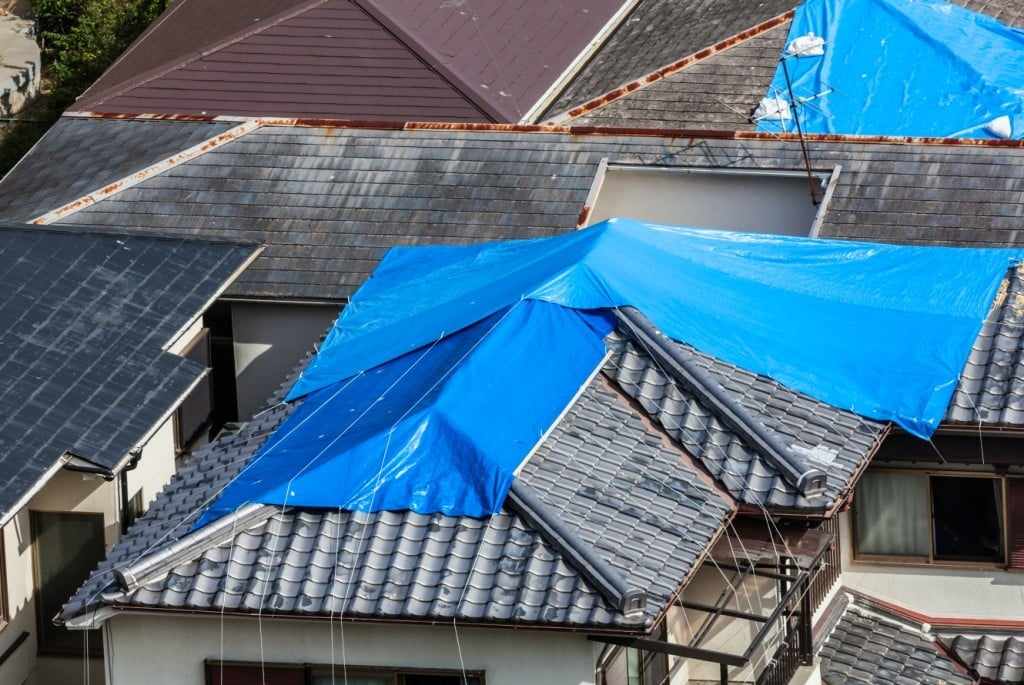
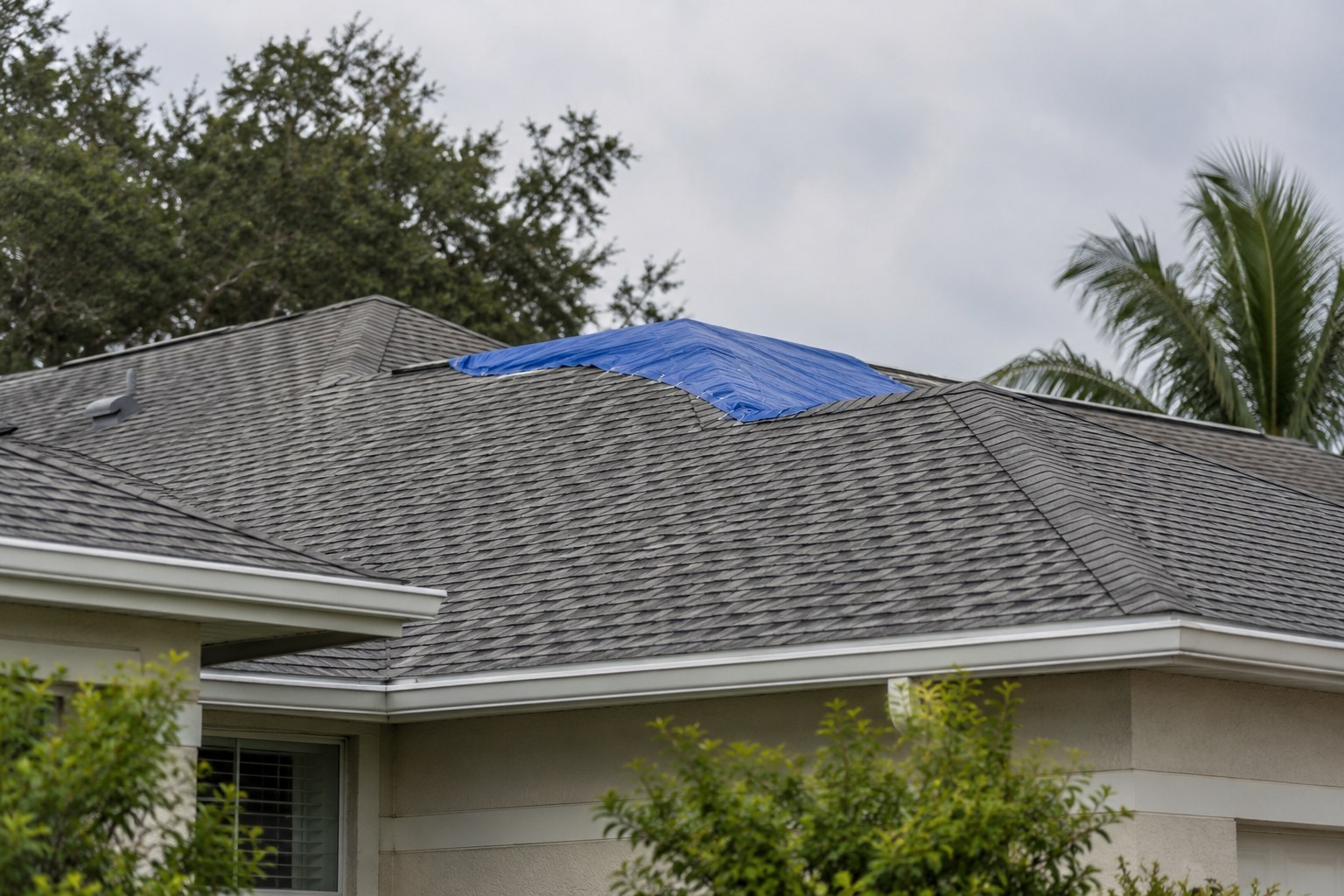
A temporary roof cover can help limit additional weather entry at a suitable exposed area. It is an interim measure, not a repaired roof. The damage, roof material, supporting construction, access and weather determine whether a covering approach is appropriate. Some conditions require other action before any roof work can safely proceed. Understand the permanent repair assessment that follows temporary covering.
Share what you can observe from a safe place: where water appears, when it started and whether there is existing temporary work. Do not climb onto the roof, enter a damaged attic or move loose material to improve a photograph. A qualified professional must assess access and the proposed covering, then explain its limits and the permanent work still needed.
No. A tarp is temporary weather protection while the cause and extent of damage are assessed and permanent work is arranged. It does not replace damaged roofing, decking or structure.
Immediate attendance is not guaranteed. A visit must be confirmed for your address and conditions. Weather, safe access, the damage and current demand affect availability. Describe the situation when contacting USAHI and ask what can be arranged. Do not wait in an area that presents an immediate danger.
No. Water can enter through other damage or surrounding construction, and temporary coverings have limits. Have the source and suitable protection assessed rather than treating a tarp as a waterproof guarantee.
No. Stay off a damaged roof and keep clear of unstable areas. Use observations or photographs from a safe place and leave roof access to qualified professionals.
Your policy and insurer determine coverage. Keep available photographs, the written scope and receipts, and ask your insurer what documentation it needs without assuming reimbursement.
Temporary protection needs an assessment of the actual opening and a plan for what follows.

Temporary protection is an interim measure. Permanent repair or replacement still needs an assessment.
Report where water appears, when it started and any visible damage from a safe location. Do not enter a damaged attic or climb onto the roof.
Weather, debris, power lines and structural condition can prevent safe work. Let the professional assess access rather than trying to prepare the roof yourself.
Confirm who will investigate the roof, review the temporary cover and arrange repair or replacement. Avoid leaving removal and follow-up undefined. Compare the permanent roofing work that may follow.
Compare material choices in the context of the actual roof. Compare roofing materials for South Florida homes.
The cover is a stage in recovery, not the finish line. Discuss these points while arranging the initial assessment so responsibility does not become unclear once the urgent work is done.
Ask the professional to explain the proposed protected area and any conditions that prevent full coverage. Damage at adjoining walls, penetrations or other roof sections may leave separate water paths. The work description should identify its limits without promising a waterproof building or a repaired roof system.
Ask whom to contact about new water entry, visible movement or a change in the affected area. Confirm whether follow-up assessment is included or separately arranged. Report what is observable from a safe place; the household should not climb onto the roof to check attachments or make adjustments.
A repair or replacement decision still needs an investigation of the damaged roof and layers below it. Ask who arranges that assessment and what information is needed. Material availability, access and the findings can affect the next stage, so request a project-specific sequence rather than assuming a fixed completion date. See what the permanent repair assessment should explain.
Confirm who removes the temporary cover, when that belongs in the permanent work and how any related work will be described. Keep the temporary-service and permanent-work records together. A later contractor should be able to understand what was covered, what was observed and what still needs investigation before opening the area.
The purpose is temporary protection while the roof problem is resolved. It is a separate scope from permanent repair.
Where a temporary cover is suitable, it may help limit weather entry at the protected area while assessment, materials or permanent work are arranged. Ask which areas it protects and which water paths remain unresolved. It is not a guarantee that every leak will stop.
The written scope should identify the covered area, access needs, attachment approach and limitations. Knowing what is being provided helps you distinguish temporary protection from permanent roof repair, interior drying and restoration. Ask what is included before work begins.
A tarp should not become a substitute for understanding the damage. Agree who will investigate the roof and explain whether repair or replacement is appropriate. That keeps the temporary measure tied to a useful next decision rather than an indefinite wait under a cover. See what a roof-replacement decision needs to consider.
Save safe photographs, the contractor’s description of conditions, invoices and any follow-up reports. Ask your insurer what it needs under the policy. These records can help explain the work, but the service itself does not establish coverage or guarantee reimbursement.
Agree whom to contact if water returns or the cover visibly moves, and how reassessment is arranged. Do not climb up to tighten or reposition it. A clear follow-up plan gives the household a practical response without assuming the cover can be left unchecked.
Choose protection and repair around the condition of the roof, not simply the appearance of the cover.
| Option | What it involves | When to consider it | Check first |
|---|---|---|---|
| Temporary covering | An assessed exposed area receives a temporary cover. | Consider it when permanent work cannot proceed yet and covering is suitable. | Safe access, attachment approach, limitations and follow-up. |
| Roof repair | A defined defect is repaired with compatible roofing details. | Consider it when assessment supports a localized permanent solution. | Cause, extent, hidden damage and repair scope. |
| Roof replacement | A broader roofing system is renewed. | Consider it when widespread condition or repair limitations call for a larger scope. | Assessment, system choice, supporting work and approvals. |
Use visible changes to prepare questions for a professional assessment. Understand signs a roof may need replacement.
Report these conditions from a safe location. They help explain the request; they do not establish a diagnosis.
Describe affected rooms and when entry occurs. Keep clear of wet electrical equipment and visibly damaged ceilings.
Tell the contractor what can be seen from ground level. Do not retrieve loose materials or inspect exposed edges yourself. Read about damaged roof covering before storm season.
Report movement or renewed water entry. Do not climb up to tighten or reposition the covering.
Recurring leaks and damaged details deserve a defined repair plan. Read about roof damage before storm season.
The cost depends on the actual roof, its condition and the work included. Ask for a measured, itemized proposal so you can compare equivalent scopes.
Review material, preparation, repairs, access, disposal and any required approval or inspection responsibilities. Confirm how additional work will be documented and agreed.
Request a scoped estimateThe protected area, roof material and damage affect what temporary work is suitable.
Height, obstructions, debris and safe access can change the work or prevent it from proceeding.
Clarify inspection, return visits, removal and any later permanent-work charges.
Identify the system, concern, condition and access.
Confirm materials, details, responsibilities and changes.
Coordinate weather, site protection and required approvals.
Confirm the completed scope, care and written records.
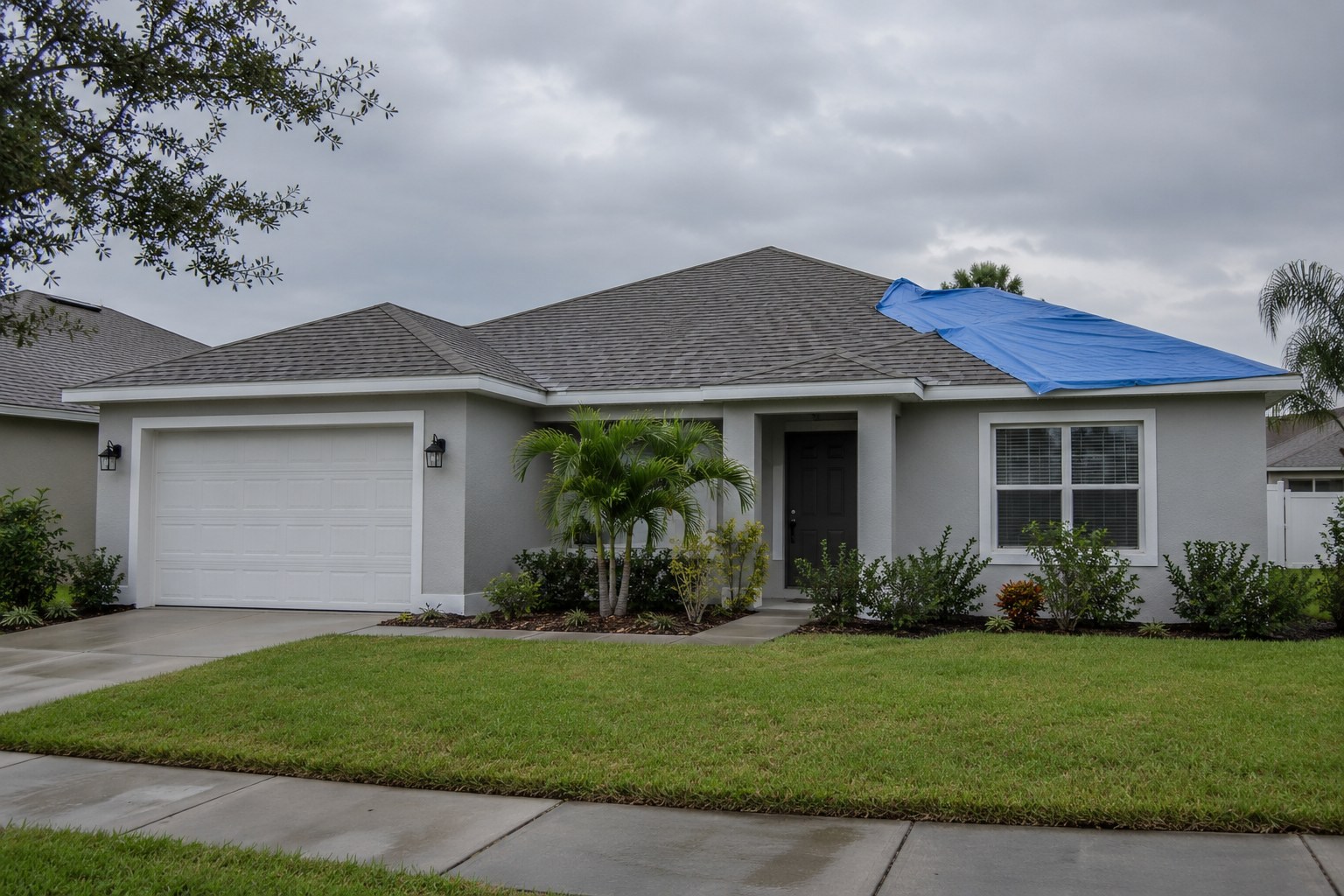
Review the proposed work, then explore current payment options.
Explore financing optionsFinancing may be available for qualified homeowners through independent third-party providers. Terms, eligibility and availability depend on the program and location. Review the written offer, total repayment and any fees before committing.
Compare the complete project scope first. Keep the work specification separate from the payment offer so a monthly amount does not hide different materials or excluded repairs.
Keep people and pets clear of roof work, falling debris and damaged areas. Follow the contractor’s access restrictions.
Describe fresh water entry or visible movement from a safe place. Ask for reassessment rather than adjusting the cover yourself.
Temporary protection does not finish the project. Keep the assessment, repair and cover-removal responsibilities moving forward.
Ask which area will be covered, the limits of temporary protection, assessment and access needs, attachment and removal responsibilities, follow-up arrangements and price. Keep permanent roofing repairs and any interior restoration separately described.
Discuss the roofing scopeBring the condition of your roof, your priorities and your questions. Ask for the recommended work and the reasons behind it in writing.
Discuss your roof with USAHIBrowse our existing service-area pages, then discuss availability and the requirements for your roofing project. These are general area guides, not dedicated pages for every roof type.
Use these answers to prepare for an assessment of your actual roof. The proposal should explain the recommended work and why it fits the condition found.
The cover needs a project-specific review and permanent-work plan rather than a promised number of days. Material, installation, exposure and changing conditions affect its temporary service. Ask about follow-up, report renewed water entry or visible movement and keep the permanent assessment moving; do not use an expected lifespan as permission to leave damage unresolved.
No. Structural instability, damage pattern, material or unsafe access may make a particular covering approach unsuitable. A professional assessment must determine the next step.
No. A cover does not establish structural, electrical or occupancy safety. If there is immediate danger, leave the affected area and contact emergency services.
No. This page concerns arranging a private service assessment with USAHI. Government disaster programs have their own activation, eligibility and application rules.
Share the address, safe observations of the damage and water entry, existing temporary work and access concerns. Ask about current availability and avoid taking roof-level photographs.