 Skip to content
Show the history safely
Describe when water entry occurs and any previous repairs. Use safe ground-level or indoor observations; do not climb onto the roof.

Fix the roof problem with a scope that explains its cause. USAHI helps you assess leaks and localized damage, decide what can reasonably be repaired and understand what the work includes before a patch becomes another recurring expense.
Discuss your roofing projectExplore cost planning
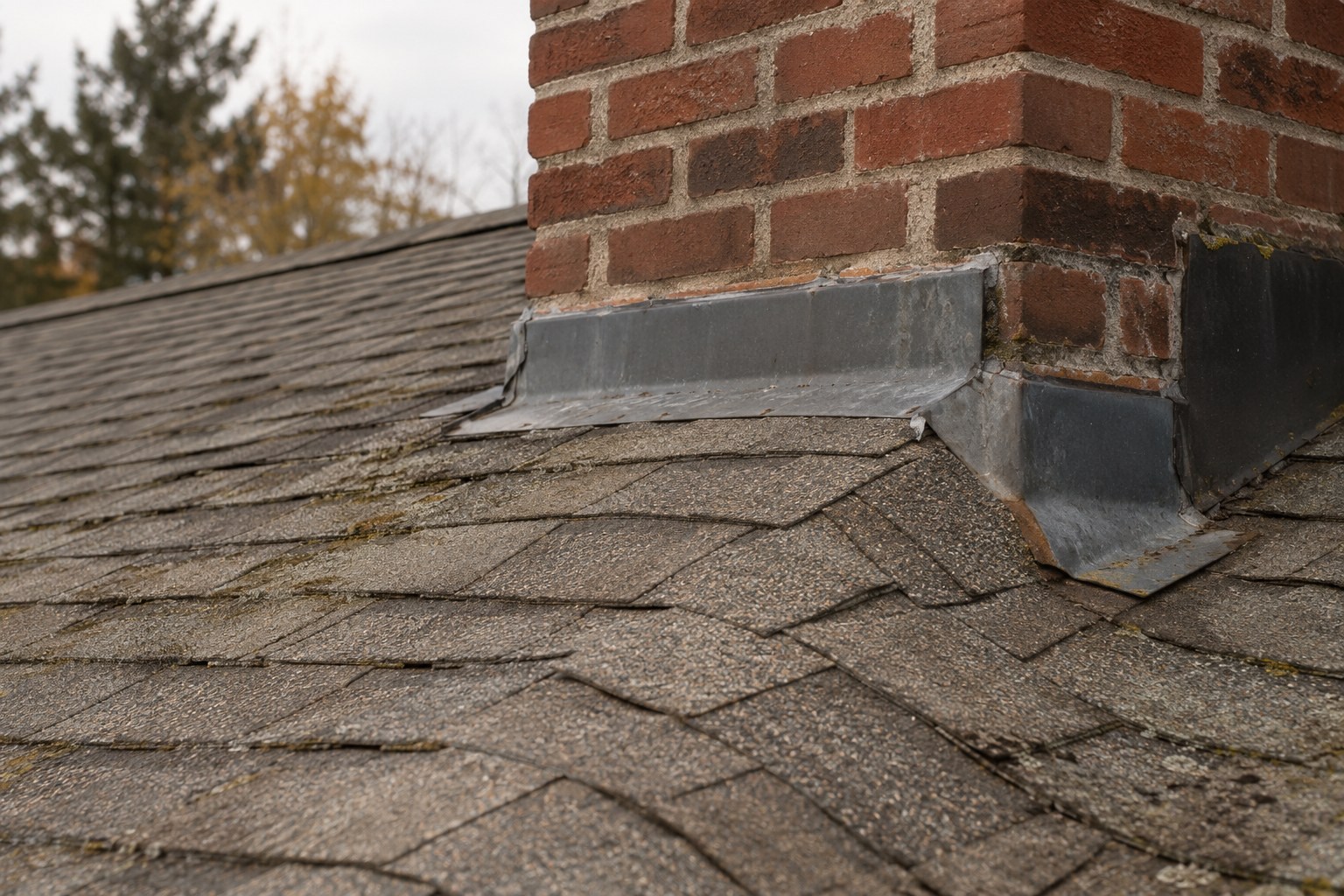
A roof repair should address an identified defect, not just the nearest visible stain. Water may enter at a flashing, penetration, damaged covering or nearby wall detail and travel before it appears indoors. Tell the contractor when the problem occurs and what previous repairs changed so the assessment can follow the evidence.
The next question is whether the affected area can be repaired within the existing system. Materials, connections and surrounding condition matter as much as the size of a patch. A broken tile, a damaged membrane detail and a failed metal penetration need different approaches. Ask which layers will be opened and how concealed damage could change the work. See why tile repairs also need an underlayment discussion.
Not necessarily. Water can travel before it becomes visible. Have the roof and surrounding construction assessed rather than assuming the stain marks the entry point.
Possibly, if the damage is localized and a compatible, durable repair is feasible. The surrounding roof and any concealed damage need assessment before that decision.
No. Age is one factor alongside condition, damage extent, repair feasibility and system requirements. Ask why the recommended scope suits the actual roof.
No. Coverage and claim decisions belong to the insurer under the policy. Keep the assessment, scope and invoices and ask what records are required.
No. Temporary protection may limit exposure while permanent work is arranged. It does not replace the investigation and compatible permanent roof repair.
A useful proposal explains the problem, the affected area and what will happen if more damage is uncovered.

Trace the defect and affected layers. The indoor stain may not sit directly below the entry point.
Describe when water entry occurs and any previous repairs. Use safe ground-level or indoor observations; do not climb onto the roof.
Ask how the covering, flashings, deck and drainage near the affected area will be assessed. A visible surface defect may be only part of the scope.
Identify how concealed damage, adjacent work and interior restoration will be handled. Require agreement on additional scope before it proceeds.
Compare material choices in the context of the actual roof. Compare roofing materials for South Florida homes.
A useful repair quote describes a problem and a method, not just a patch size. These four questions help connect the assessment to the work you are authorizing.
Describe the timing: wind-driven rain, ordinary rain, or a recurring mark after a previous repair. Ask which covering, flashing, penetration and adjoining-wall details were assessed. The contractor may need further investigation, but that uncertainty should be stated rather than hidden behind a definite diagnosis based only on an indoor stain.
The visible covering can conceal affected underlayment, membrane or deck. Ask which layers the repair includes and how adjoining materials will connect. A surface-only treatment and a repair that opens the assembly are different scopes, even when both estimates refer to the same area of the roof.
Agree how discovered conditions will be photographed, explained and priced. Ask what would cause the contractor to recommend a broader repair or replacement instead of continuing the original method. Clarify your authorization process and any temporary protection needed while an expanded scope is considered. Understand temporary covering while permanent work is arranged.
Ask which adjacent areas remain, whether appearance may differ and what the written workmanship terms apply to. Interior drying, ceiling repair and painting may be separate work. A clear boundary helps you understand what completion means without mistaking a localized roof repair for renewal of the entire roof.
A repair should address an identified defect while respecting the roof around it. Its value comes from the diagnosis and scope.
A useful diagnosis connects the observed symptom with a likely route and repair detail. Ask what the contractor found and how the proposed work addresses it. That is more useful than a promise to apply sealant wherever the ceiling happens to be marked.
When the surrounding roof is suitable and compatible materials are available, localized work may be a reasonable choice. Ask what will remain untouched and how its condition affects the repair. A small job should have clear boundaries without pretending the rest of the roof has been renewed. Review compatibility and scope for shingle roofing.
One estimate may include opening the area and replacing affected layers; another may describe only a surface treatment. Ask each contractor to identify materials, flashing work, disposal and finishing. Comparing the same scope helps explain why two prices for the same symptom can differ.
A repair assessment can reveal repeated failures, unavailable matching materials or deterioration beyond the initial area. Ask which findings change the recommendation and what a broader repair or replacement would address. That lets you weigh a higher initial cost against the limitations of continued patching. Compare the decisions behind roof replacement.
Keep photographs supplied by the contractor, the repair location, materials and written terms. Note which concerns were excluded or remained uncertain. If a symptom returns, this record helps the next assessment distinguish a problem in the repaired detail from a different water path.
The right scope depends on the condition found, not just the size of the visible stain.
| Option | What it involves | When to consider it | Check first |
|---|---|---|---|
| Localized repair | A defined defect is repaired within the existing system. | Consider it when the assessment supports a compatible limited solution. | Cause, surrounding condition, materials and hidden damage. |
| Temporary covering | A suitable exposed area receives temporary protection. | Consider it while permanent work is being arranged. | Safety, limitations, review and removal. |
| Roof replacement | A broader roofing system is renewed. | Consider it when damage or repair limits justify a larger scope. | Assessment findings, deck work, system and approvals. |
Use visible changes to prepare questions for a professional assessment. Understand signs a roof may need replacement.
These observations justify an assessment but do not establish the cause on their own.
Note weather conditions and whether the area changes. Stay clear of wet electrical equipment or visibly damaged ceilings.
Describe what is visible from a safe ground-level position. Do not walk the roof to collect a closer photograph.
Share previous work records and whether the symptom returned. Ask whether a broader cause or an unsuitable detail remains. Read about roof-damage concerns that deserve investigation.
Recurring leaks and damaged details deserve a defined repair plan. Read about roof damage before storm season.
The cost depends on the actual roof, its condition and the work included. Ask for a measured, itemized proposal so you can compare equivalent scopes.
Review material, preparation, repairs, access, disposal and any required approval or inspection responsibilities. Confirm how additional work will be documented and agreed.
Request a scoped estimateRoof material, affected details and the extent of compatible repair affect the proposal.
Deck, underlayment, membrane or adjacent construction discovered during work can change the scope.
Safe access, disposal, required approvals and any separate interior work need clear inclusions.
Identify the system, concern, condition and access.
Confirm materials, details, responsibilities and changes.
Coordinate weather, site protection and required approvals.
Confirm the completed scope, care and written records.
Review the proposed work, then explore current payment options.
Explore financing optionsFinancing may be available for qualified homeowners through independent third-party providers. Terms, eligibility and availability depend on the program and location. Review the written offer, total repayment and any fees before committing.
Compare the complete project scope first. Keep the work specification separate from the payment offer so a monthly amount does not hide different materials or excluded repairs.
Retain the scope, photographs, materials and written warranty terms. Note any exclusions and follow-up recommendations.
Describe new water entry or staining promptly. A return of the symptom needs assessment rather than another unexamined patch.
Arrange safe professional inspection and maintenance appropriate to the system. Avoid walking the roof or applying an unapproved coating yourself.
Request the assessed defect, repair area, compatible materials, flashing and drainage scope, deck allowances, removal and disposal, access, finish work, permit responsibilities and written terms. Identify interior restoration and concealed-damage changes separately. Ask whether the proposed price covers investigation as well as the repair, and what happens if opening the area shows that the original method is unsuitable. Keep approval of additional work and responsibility for temporary protection clear.
Discuss the roofing scopeBring the condition of your roof, your priorities and your questions. Ask for the recommended work and the reasons behind it in writing.
Discuss your roof with USAHIBrowse our existing service-area pages, then discuss availability and the requirements for your roofing project. These are general area guides, not dedicated pages for every roof type.
Use these answers to prepare for an assessment of your actual roof. The proposal should explain the recommended work and why it fits the condition found.
Not necessarily. A tile can be visibly broken while the water path also involves the underlayment, flashing or surrounding construction. Ask whether the repair concerns the tile alone or the layers below it. The proposal should explain both the compatible replacement material and the work needed to address the leak.
Not necessarily. Product availability, age and weathering can affect appearance. Discuss acceptable matching and practical material options before agreeing to the work.
No. A coating has substrate, preparation and system limits and cannot be assumed to correct damage or failed structure. Have suitability and necessary repairs assessed separately.
Not reliably. A photograph can help start the discussion, but it may not reveal concealed conditions or the water path. Confirm the scope after an appropriate assessment, and distinguish any initial allowance from a final repair proposal.
Compare the findings, what each scope fixes and what remains untouched. A repair may be reasonable for an isolated defect in serviceable surroundings; replacement may address broader deterioration or repeated failures. Ask for that distinction in writing, along with complete inclusions and terms, rather than deciding from the initial total alone.