Home / Interior doors / Solid-core interior doors

South Florida · Interior door planning

Solid-Core Interior Doors in South Florida

Give bedrooms and workspaces a more substantial closing feel and consider better sound control with a solid-core interior door. Plan the door, frame and hardware together so the upgrade suits the room and the existing opening.

Discuss your interior doorsExplore cost planning
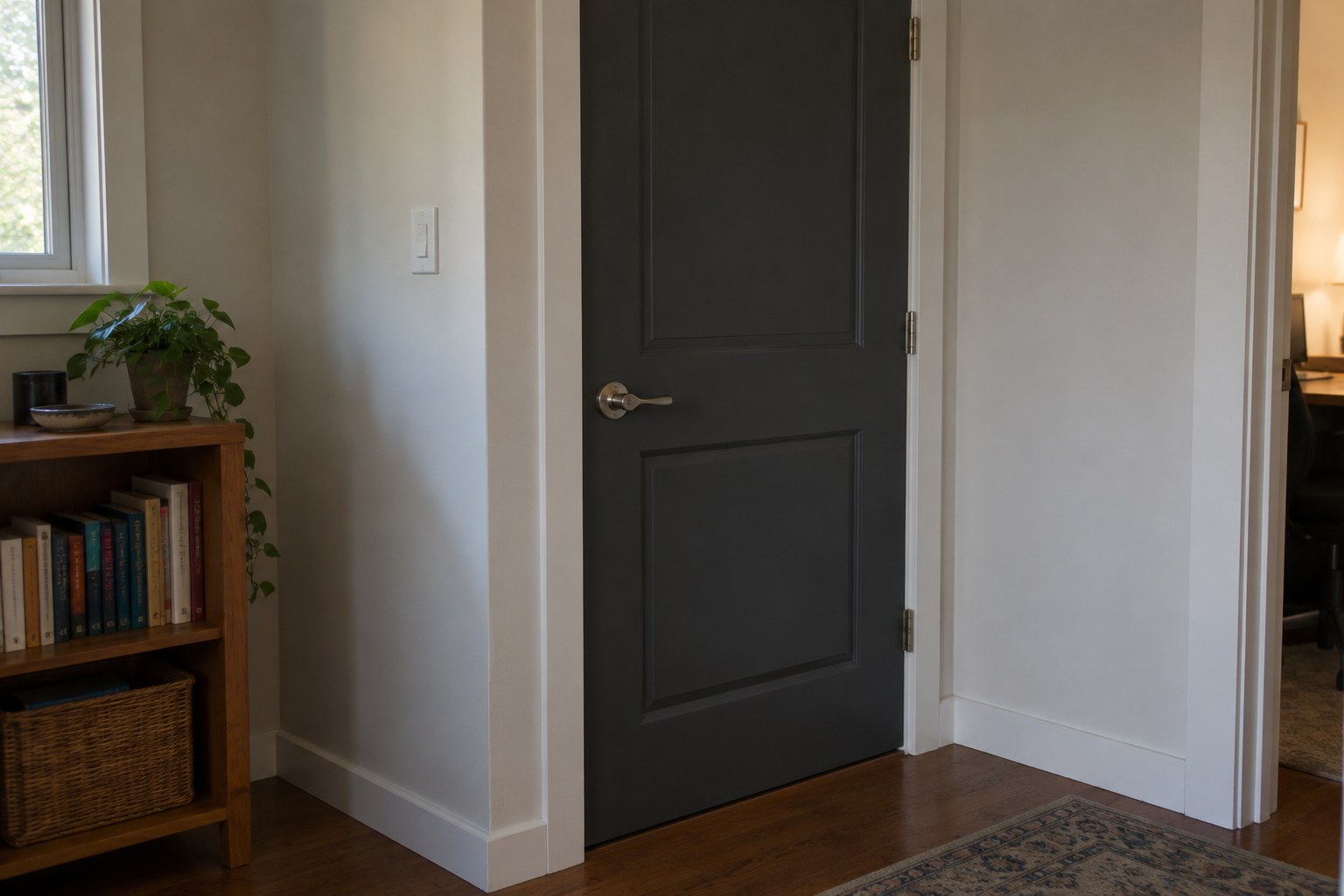
Dark paneled interior door beside a home office
Understand the choice

A denser core inside a familiar room door

Know the construction

Solid-core doors have a substantial filled core beneath their faces; they are not necessarily solid timber. A painted panel design cannot tell you what is inside. Specify the actual construction and thickness, then choose the look you want.

Check the frame and support

For a bedroom or office, compare sound-control needs with daily handling and the existing opening. A heavier slab needs suitable hinge and jamb support. Check frame alignment and latch preparation before deciding whether a slab-only replacement makes sense. Review slab and frame replacement choices.

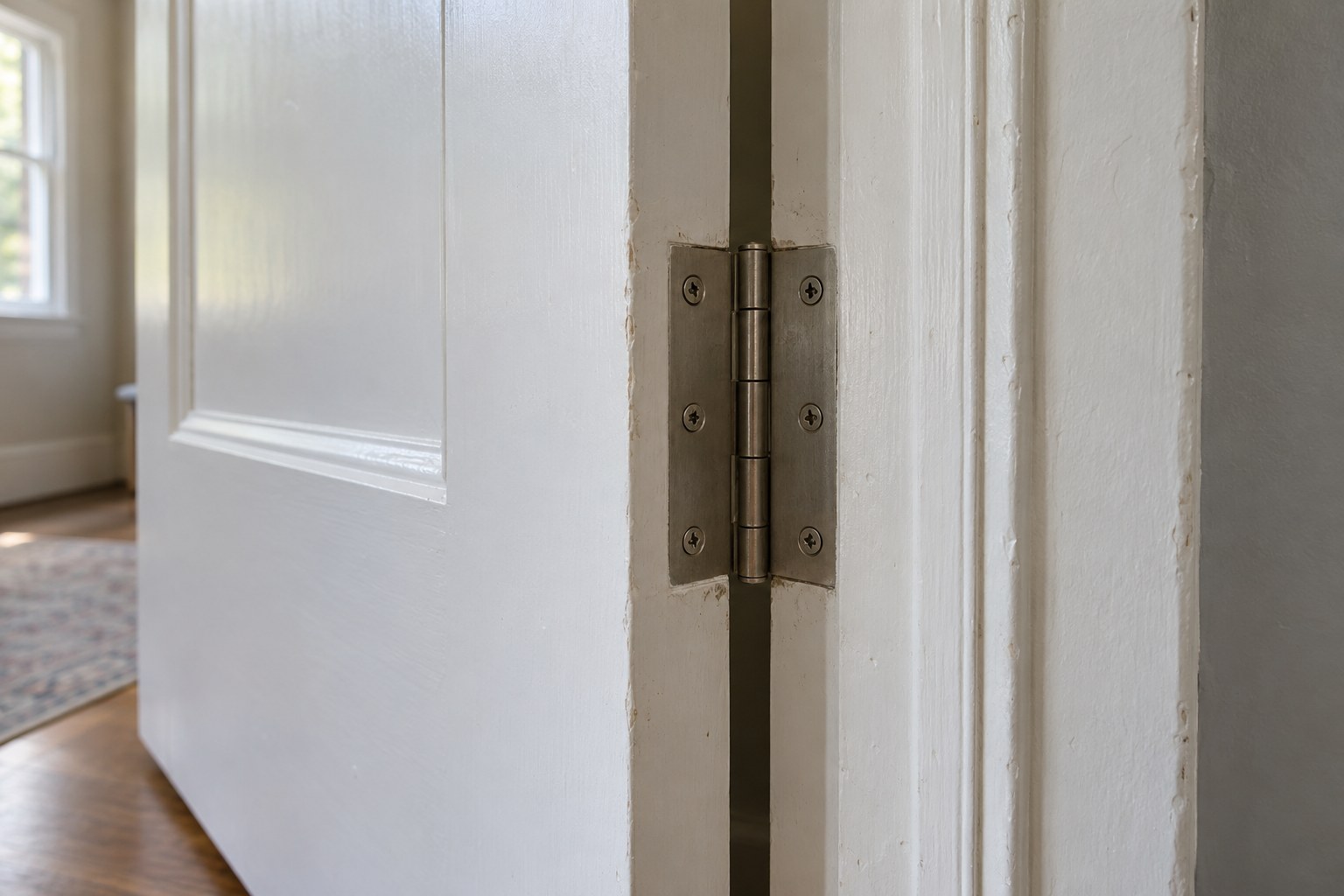
Interior door hinge and painted frame

Before you choose

Is solid-core the same as solid wood?

No. Solid-core describes an internal construction, often using an engineered filled core beneath face materials. Solid wood describes a different material approach. Ask for the construction of the selected door; a wood-grain finish or a heavy feel does not establish that it is solid timber.

Will a solid-core door stop conversations being heard?

It may reduce sound transfer compared with a comparable hollow-core door, but it does not guarantee speech privacy. Gaps, the frame, surrounding walls and other routes affect the result. Identify the noise concern and ask for relevant assembly test data if a particular acoustic result matters.

Can I keep my current frame?

Yes, if its condition, dimensions and hinge support suit the selected door. Check alignment, fastening, hinge positions and latch preparation. A new slab can preserve trim, but poor jamb condition or incompatible preparation can make a complete frame replacement more practical.

Can solid-core doors have a plain or paneled face?

Yes. Core construction and face design are separate choices. Compare available flush and paneled products, then confirm the core in the specification. Matching two doors visually does not require them to have the same construction when their room functions differ.

Does solid-core mean the door is fire rated?

No. Do not infer a fire rating from its weight or core name. An opening with special requirements needs the appropriate documented door, frame and hardware arrangement. Ordinary room-door selection should not be used to specify a garage-to-house assembly.

Plan the fit

Check what will carry the new door

The upgrade should feel comfortable in daily use. Door weight, fit and the way the room handles sound all deserve attention before the order.

Solid-core interior doors planning schematic

Core, frame, support and fit are separate specification decisions. The outline does not identify an exact product or tested assembly.

Hinges and jamb support

Check the hinge arrangement and the soundness of the existing jamb. Select hardware and fasteners appropriate to the actual door and manufacturer instructions; do not assume the old setup suits a heavier replacement.

Clearances and room airflow

Coordinate the finished floor and required operating clearance. If acoustic sealing is proposed, consider how the room gets its planned return-air path. Do not close every gap without considering the room and its ventilation design.

Privacy hardware

Choose passage or privacy operation for the room and the people using it. Confirm lever or knob preparation, latch position and access needs before drilling or ordering a prepped slab.

LOOK BEYOND THE DOOR FACE

Four details that shape a solid-core upgrade

The core is one part of the result. These decisions connect the product choice to the opening and the room around it.

01

Define the noise you want to reduce

Speech from the hall, a television next door and a noisy mechanical system are different concerns. Note when noise is noticeable and which route seems involved. A door upgrade is most useful when the opening is a significant path; it cannot promise to fix sound traveling through a wall, ceiling or ventilation route.

02

Compare the installed assembly

An acoustic rating only helps when its test arrangement is relevant to the proposed installation. Ask what door, frame, perimeter treatment and bottom condition the evidence covers. Do not apply a product headline to an opening installed with different gaps or hardware and assume the same result.

03

Decide how much frame work is worthwhile

A slab-only replacement can keep suitable existing casing, but it still needs accurate fitting and hardware preparation. Compare that labor with replacing a damaged or poorly aligned frame. Record who repairs the surrounding finish so preserving trim does not become a hidden allowance for later patching.

04

Plan the finish before fitting

Confirm whether the selected door is factory finished, primed or unfinished. Any permitted trimming or hardware preparation must stay within the product instructions and receive the required finish treatment. Include color, sheen and touch-up responsibilities; a substantial new door should not arrive with its finishing work undefined.

Everyday use

How solid-core interior doors can change the way your room works

Choose solid-core construction for the way the room is used, then judge the result through the complete specification.

01

A more substantial feel

A denser door can feel different when it opens and closes. Match that feel with suitable hinges and a handle that the household can use comfortably. Greater weight alone does not establish better performance for every purpose.

02

A useful sound-control option

Solid-core construction can be worth comparing for rooms where quieter separation is a priority. Keep the expectation specific: reduced transfer through an appropriate assembly is different from a promise of a silent room.

03

A consistent visible design

Many interior-door looks can be specified with different cores. Coordinate the hallway appearance while deciding where a denser construction is worth the investment, rather than upgrading every opening solely to keep the profiles alike. Compare a wood-grain design.

04

A replacement fitted to the opening

An aligned door, sound frame and correctly placed strike can improve everyday closing. Include a final operation check with the door fully open and closed, rather than accepting a fresh finish as the only sign of completion.

Compare the options

Compare the construction, not just the face

These are material and construction choices. Each can have several panel designs; the selected product and its intended application matter.

Compare choices for your actual room and opening
ChoiceHow it worksWhen it may fitCheck first
Solid-coreFilled internal construction beneath finished faces.Bedrooms or offices where substantial feel and sound control deserve attention.Actual core, compatible support, finish and relevant acoustic evidence.
Hollow-coreA lighter internal structure with substantial void space.An ordinary low-demand opening where weight and budget are priorities.Expected handling, surface durability and sound-control needs.
Custom woodSpecified wood construction, profile and finish.A visible grain or tailored design is a central part of the project.Solid versus engineered components, samples, finishing and care.
Notice the difference

When should existing solid-core interior doors be assessed?

Before buying a new core, understand what is causing the present door to disappoint. Some concerns belong to the opening or hardware.

01

The door rubs or drops

A loose hinge, frame movement or flooring change may be involved. Identify the cause before adding a heavier slab to the same opening.

02

Privacy is still poor

Separate visual privacy from noise transfer and latch function. A core change alone may leave gaps or another sound path untreated.

03

The face or edge is damaged

Compare repairability with replacement and check why the damage occurred. A recurring impact or damp condition can affect the next door too.

Plan the investment

What affects the installed cost of solid-core interior doors?

Compare the selected slab with the work needed to fit it. Hinge preparation, frame correction, hardware and finishing can change the installed cost.

01

The actual product

Record dimensions, thickness, core, face design and finish. Include the handle and latch rather than assuming old hardware will transfer.

02

Retained or replaced frame

Slab fitting can involve hinge and strike work. A new frame adds jambs, casing and finish restoration; compare the full scope.

03

Whole-opening requirements

Acoustic treatments, changed handing, floor coordination and special hardware add different work. Identify inclusions and how additional findings will be priced.

From measurement to handoff

How we plan your solid-core interior doors project

01

Measure & discuss

Review each opening, room use, layout and existing condition.

02

Approve the details

Confirm the door, finish, hardware and surrounding work.

03

Prepare & install

Coordinate access, removal, fitting and agreed finish restoration.

04

Operate & hand over

Check movement, latches and finish, then retain the care records.

Payment planning

Plan the cost and payment for solid-core interior doors

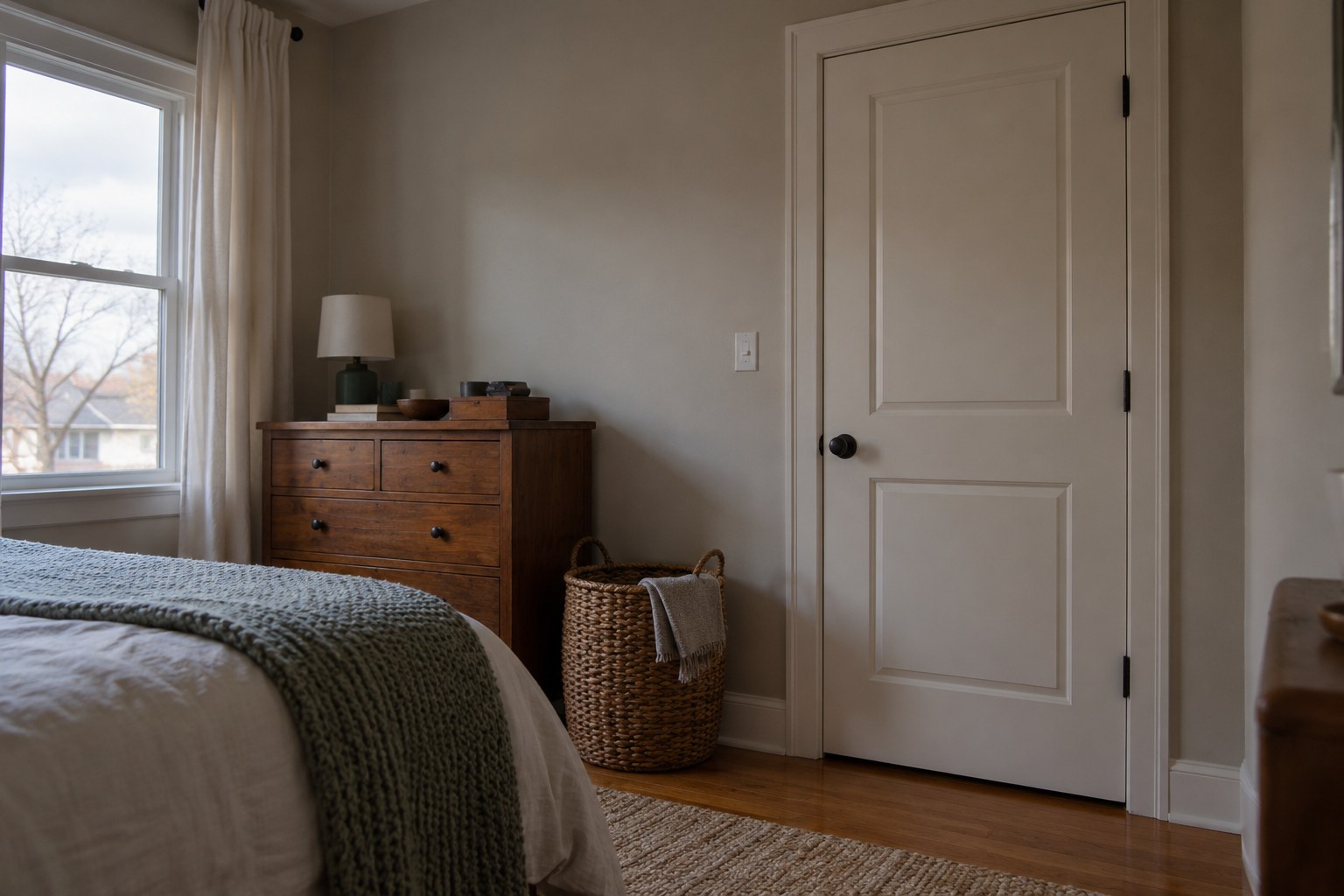
Closed interior door beside a bedroom

A clear scope for your home.

Choose the door and the installation work together.

Explore financing options

Can I finance the work?

Financing may be available for qualified homeowners through independent third-party providers. Terms, eligibility and availability vary. Review the current written offer, fees and total repayment before deciding.

What should the quote include?

Keep the door specification, installation inclusions and surrounding finish work clear before comparing payments. A similar monthly amount can represent a different project or financing term.

Care & records

Care and records to keep after solid-core interior doors work

Keep the operation easy

Report new rubbing or loose hinges before forcing the door causes further damage. Use the approved adjustment and maintenance instructions for the supplied hardware.

Protect the surface

Use a cleaner compatible with the actual finish. Avoid soaking edges and do not add seals or trim the slab without checking the door and opening requirements.

Retain the specification

Keep the product identification, finish details and written warranty terms. They help distinguish a hardware adjustment from a door-product issue if a concern develops.

Bring this to the estimate

Record each opening, exact core and thickness, face design, finish, slab-only or frame-replacement scope, hinge preparation, latch, handle and any acoustic treatment. Include trim restoration, removal, disposal and the final operating check.

Discuss the complete scope

Use manufacturer guidance to understand the construction terms, then compare the actual products proposed. Interior-door construction explained.

Sound needs and the way a door opens should be considered together. Manufacturer discussion of office-door choices.

Ready to plan the opening?

Bring your room layout and your priorities

Show us the existing doors, the finish you want and anything that makes the current layout awkward. Discuss the available products and the work needed for your openings.

Plan your interior doors with USAHI
Find your location

Explore the areas USAHI serves

Browse our existing service-area pages, then discuss availability and the requirements for your interior-door project. These are general area guides, not dedicated pages for every door style.

Explore related choices

Continue planning your interior doors

Your questions answered

Solid-core interior doors: South Florida planning questions

Use these answers to prepare for the actual opening. Confirm the selected products, installation responsibilities and finish work in the written proposal.

Should every door in the house be solid-core?

Not necessarily. Prioritize the rooms where handling, privacy and sound-control goals justify the choice. A closet may have different needs from a bedroom. Keep a coordinated visible profile while specifying each opening for its use.

Can a solid-core slab be used as a barn or pocket door?

Sometimes, if the door and selected hardware are designed for that arrangement. Check the slab weight, thickness, preparation and support against the system instructions. A compatible core does not remove a barn door’s perimeter gaps or make a pocket wall suitable. Review barn-door clearances and privacy. Review pocket-door hardware and wall needs.

Can the door be cut down to fit an older opening?

Only within the selected product’s permitted trimming limits. Hardware preparation and edge finishing also matter. Have the opening measured before ordering; do not buy a larger slab on the assumption that any amount can be removed.

How long will the replacement take?

The schedule depends on the number of openings, product availability, finishing and the condition of retained frames. Ask for separate delivery, fitting and finishing milestones. A straightforward slab change and a full frame replacement should not share an assumed fixed timetable.

What should I check before signing off?

Operate each door, check the agreed latch and hardware, inspect the finish and confirm the listed trim work is complete. Retain the product and installation paperwork. Any agreed sound-control treatment should be checked against the specification rather than judged only by how heavy the slab feels.