Home / Interior doors / Custom wood interior doors

South Florida · Interior door planning

Custom Wood Interior Doors in South Florida

Make the door part of the room’s design. Explore wood grain, panel proportions and a coordinated finish with USAHI, then define the construction and installation details behind the look you want.

Discuss your interior doorsExplore cost planning
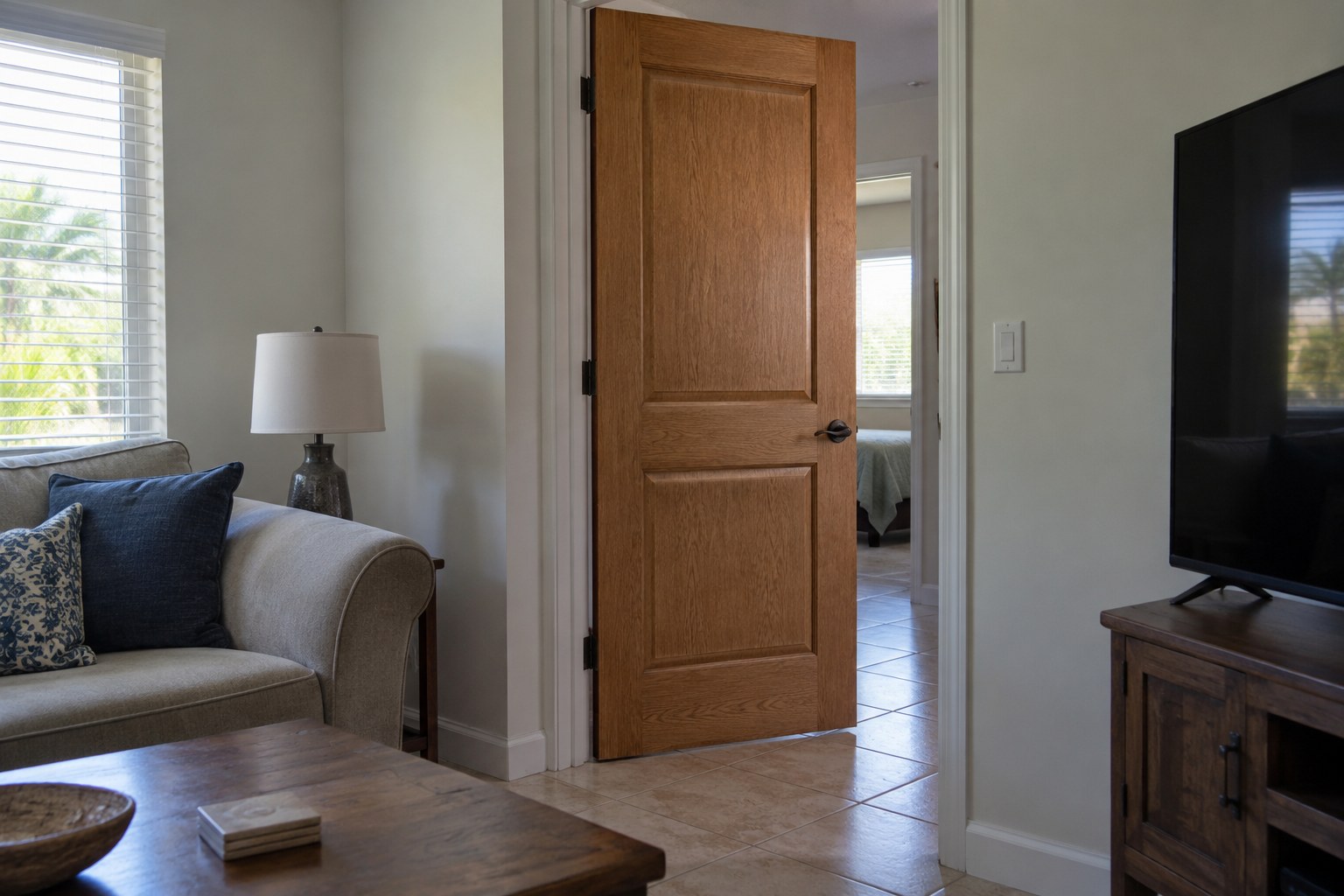
Natural wood paneled interior door in a living space
Understand the choice

Define what custom means for your doorway

Define the custom choice

Custom may mean a tailored size, panel layout, wood appearance or finish. Identify which matters to you. Solid timber, engineered components and wood veneers are different constructions; the proposal should state what the selected door contains.

Approve the look and the fit

Review doors visible together, then compare a finish sample in the room’s light. Confirm the panel proportions, handing, hardware and opening before ordering. Include the frame and trim work so a tailored slab becomes a coordinated finished doorway. Review the full interior-door planning guide.

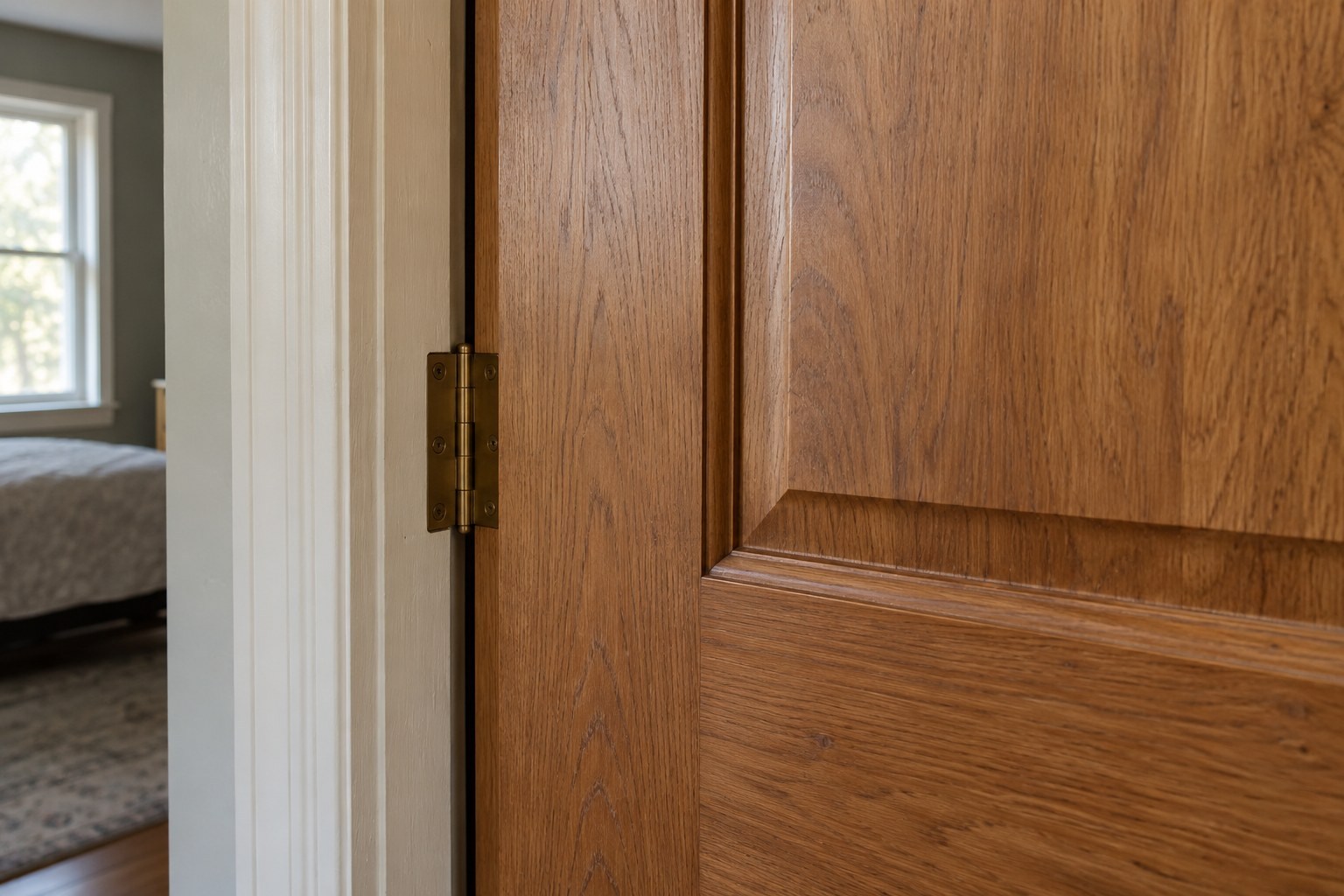
Wood-grain panel and hinge beside a painted jamb

Before you choose

Are custom wood doors always solid timber?

No. Custom describes the order or design, not a single construction. Doors can use solid timber, engineered components or wood veneers in different combinations. Ask what the selected door contains and which parts are visible wood before comparing its appearance, care and price.

Can you match my existing stain?

A close coordinated finish may be possible, but an exact match is not guaranteed. Existing wood has aged and different species or grain can take stain differently. Review an approved sample beside the retained doors in normal room light before finishing the full order.

Will wood doors swell in South Florida humidity?

Wood can respond to changes in moisture conditions. Appropriate product selection, indoor conditions, conditioning and finishing help manage that movement; they do not make wood humidity-proof. Mention persistent dampness or seasonal sticking so the cause can be assessed separately from the new finish.

Can I order a different size or panel layout?

Discuss the desired dimensions and profile, then confirm what the proposed supplier can produce. Custom availability, design limits and lead time vary. An approved drawing should show the actual proportions rather than assuming a standard sample scales unchanged to any opening.

Can a wood room door be used outdoors?

Only if that actual product and complete assembly are suitable for the exterior application. An interior wood door is not automatically weather resistant or impact rated. Keep the room-door specification separate from an exterior entrance or another opening with special requirements.

Plan the fit

Let the opening and finish sample guide the design

Resolve the visible choices and the fitting constraints together. A custom order is harder to revise once production or finishing starts.

Custom wood interior doors planning schematic

Approve panel proportions, construction, hardware and finish together. The outline is a design-planning schematic.

Confirm the construction

Record species or face material, internal construction, panel design and dimensions. A decorative wood surface does not tell you how the whole door is built.

Approve a representative sample

Compare stain or paint color, sheen and grain expectations in the room. Natural variation belongs in the discussion; a small color chip cannot show every difference across a large door.

Coordinate the opening

Check jamb depth, casing, finished floor, handing and hardware preparation. Include any change to the frame or adjacent finish so a custom slab is not ordered around an inaccurate opening.

FROM SAMPLE TO FINISHED ROOM

Four choices to settle before a custom wood order

A clear design record helps the supplier, installer and finisher work toward the same result. Decide what must match and where natural variation is welcome.

01

Paint-grade or stain-grade

Choose this early. A painted door is judged by its profile and finished surface; a stained door also reveals the wood and grain. Ask which preparation and finish system the proposed construction requires. Do not assume a primed product is intended to produce a natural stained appearance simply because wood appears in its description.

02

Proportions across several doors

A tall narrow opening and a wide opening may not carry a panel design in the same way. Review elevations that show rail, stile and panel proportions across the actual schedule. Decide whether adjacent doors should align visually and how an unusual size will sit beside retained casing, wall trim or a ceiling line.

03

Finish responsibility

State whether the door arrives factory finished or needs site finishing. Identify who prepares it, approves the sample, coats required surfaces and handles touch-up after fitting. Follow the selected product’s instructions for cut surfaces and hardware preparation. A finish allowance should say what is supplied rather than leave the edges and final coat unassigned.

04

Ordering and changes

Approve dimensions, handing, profile, finish reference and hardware preparation in writing. Ask when changes stop being practical and how replacement parts or a later matching door would be ordered. Keep realistic expectations about natural grain and later color variation; a custom order is not proof that future timber will be identical.

Everyday use

How custom wood interior doors can change the way your room works

The value of a custom wood choice is the combination of a deliberate appearance and a properly fitted door.

01

A material with visible character

A wood surface can add warmth through its grain and tone. Choose whether variation is a feature or something you want to minimize, and assess that expectation against a representative product sample.

02

A design coordinated with the room

Panel shape, casing and hardware can relate to the home’s existing details. Review the whole doorway rather than treating the slab as an isolated furniture piece.

03

Options for unusual openings

A tailored product may help where a standard size or profile does not suit the opening. Confirm manufacturing limits and fitting requirements instead of planning excessive trimming of an unsuitable stock slab. Compare solid-core construction.

04

A documented finished result

A sample reference and drawing give the team something concrete to build and finish. Include how differences will be reviewed before the order is complete, especially where new doors sit beside older woodwork.

Compare the options

Compare the wood appearance and construction

These choices describe different approaches to the finished door. Confirm what is actually available for your design and opening.

Compare choices for your actual room and opening
ChoiceHow it worksWhen it may fitCheck first
Stain-grade wood appearanceVisible grain with a specified transparent finish.Wood character is an intentional feature in the room.Actual species or veneer, construction, sample and natural variation.
Paint-grade custom designA chosen profile finished in an opaque color.Panel proportions and coordination matter more than visible grain.Preparation, primer, topcoat, sheen and finishing scope.
Solid-core painted doorA filled-core product with a selected face design.A coordinated painted look and construction choice suit the room.Available profile, dimensions, hardware and acoustic expectations.
Notice the difference

When should existing custom wood interior doors be assessed?

Look at why the existing door needs attention before committing to a custom replacement. Cosmetic work and opening repairs solve different problems.

01

A finish that no longer matches

Compare refinishing the retained door with replacing it. A fresh stain on new timber may still differ from surrounding aged woodwork.

02

Rubbing after humid periods

Check indoor moisture conditions, fit and frame alignment. Repeatedly shaving the edge can hide the cause and may exceed the product’s permitted limits.

03

Damage at panels or edges

Have the material and damage assessed before choosing a repair. A damaged veneer, a loose joint and a surface scratch require different treatment.

Plan the investment

What affects the installed cost of custom wood interior doors?

Compare an agreed drawing and finish sample. Dimensions, construction, design and fitting make custom wood a project specification rather than a single price category.

01

Design and construction

Unusual dimensions, panel layouts and materials change manufacturing work. Use the same construction and approved drawing when comparing proposals.

02

Finish development

Include sample preparation, stain or paint, required coating work and installation touch-up. Name who finishes the door and where that work happens.

03

Opening and schedule

Allow for frame changes, matching casing, hardware preparation and delivery. Coordinate flooring and painting with the current manufacturing and finishing schedule.

From measurement to handoff

How we plan your custom wood interior doors project

01

Measure & discuss

Review each opening, room use, layout and existing condition.

02

Approve the details

Confirm the door, finish, hardware and surrounding work.

03

Prepare & install

Coordinate access, removal, fitting and agreed finish restoration.

04

Operate & hand over

Check movement, latches and finish, then retain the care records.

Payment planning

Plan the cost and payment for custom wood interior doors

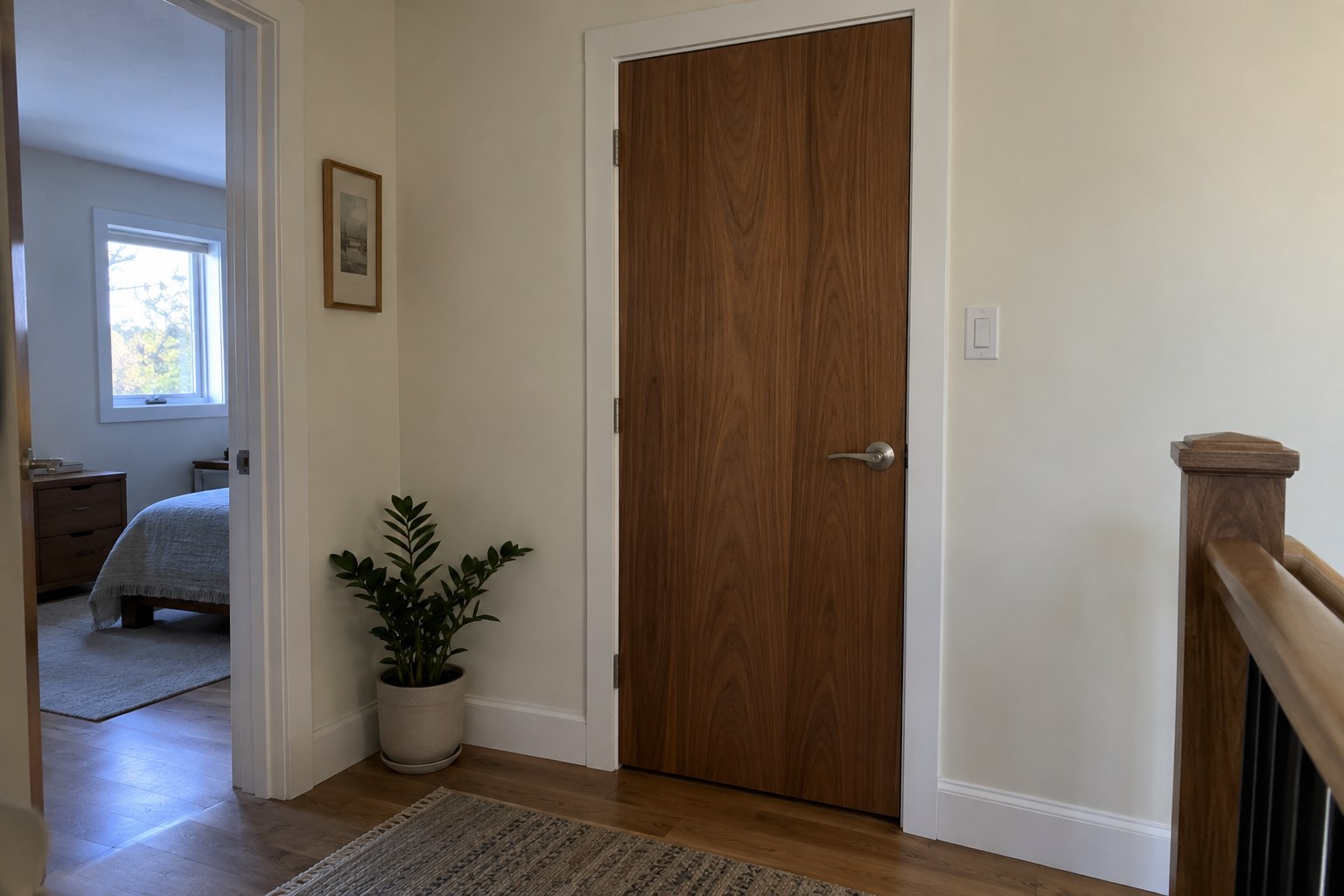
Wood-faced interior door in a hallway

A clear scope for your home.

Choose the door and the installation work together.

Explore financing options

Can I finance the work?

Financing may be available for qualified homeowners through independent third-party providers. Terms, eligibility and availability vary. Review the current written offer, fees and total repayment before deciding.

What should the quote include?

Keep the door specification, installation inclusions and surrounding finish work clear before comparing payments. A similar monthly amount can represent a different project or financing term.

Care & records

Care and records to keep after custom wood interior doors work

Follow the issued finish instructions

Use the recommended cleaning approach and avoid saturating the door. Retain the finish reference for later touch-up rather than trying a different coating on a small visible patch.

Watch the indoor conditions

Report dampness or a change in operation. A finish slows moisture exchange but does not make natural wood immune to environmental changes.

Check before modifying

Confirm permitted trimming and finishing requirements before changing hardware or altering the door. Unapproved work can affect the product and its written warranty terms.

Bring this to the estimate

Include the construction, species or face material, dimensions, approved drawing, grain expectations, sample reference, sheen, hardware preparation and frame scope. Name the party responsible for finishing all required surfaces and for installation touch-up.

Discuss the complete scope

Manufacturer guidance explains why preparation, finishing and indoor conditions matter; use the instructions issued for your selected product. Wood-door care and finishing guidance.

Ready to plan the opening?

Bring your room layout and your priorities

Show us the existing doors, the finish you want and anything that makes the current layout awkward. Discuss the available products and the work needed for your openings.

Plan your interior doors with USAHI
Find your location

Explore the areas USAHI serves

Browse our existing service-area pages, then discuss availability and the requirements for your interior-door project. These are general area guides, not dedicated pages for every door style.

Explore related choices

Continue planning your interior doors

Your questions answered

Custom wood interior doors: South Florida planning questions

Use these answers to prepare for the actual opening. Confirm the selected products, installation responsibilities and finish work in the written proposal.

Should the frame and casing use the same wood?

They can, but they do not have to. Decide whether the doorway should read as one wood feature or combine a wood slab with painted trim. Compare samples together and confirm exactly which pieces the quote replaces.

Can a custom wood door use barn or pocket hardware?

Potentially, if the slab and system are compatible. Door weight, thickness, preparation and available space still need checking. A chosen wood look does not establish track capacity or make an existing wall suitable for a pocket. Check wall-mounted sliding requirements. Check pocket-door wall and hardware needs.

Does a wood door guarantee better sound control?

No. Construction, fit and the whole opening determine performance. Compare relevant evidence if sound privacy matters rather than inferring a rating from the wood species or price.

Can I choose only one feature door?

Yes. A selected wood door can be a deliberate feature while other room doors remain painted. Review the contrast with nearby doors, trim and flooring so the difference feels intentional.

What documents should I keep?

Keep the approved drawing, product identification, finish sample reference, care instructions and written product and installation terms. These records make a future touch-up or matching order more informed, even when natural materials cannot be duplicated exactly.