- Licensed CGC1526707 & CAC1813665
- 4.9 ★ Google Rated
 Skip to content
Post-war jalousie and awning units, the arched casements of 1920s Mediterranean homes and condo windows along the Intracoastal are all part of Delray Beach’s mix. Homes in the five historic districts add glass and frame rules.
No obligation. Fast response from a local project manager.
No obligation
Coordinated for you
Options for qualified homeowners
License CGC1526707
Serving Florida homeowners
Unless a Delray Beach home is in a historic district or individually designated, it can change window style without historic review; historic homes get type, glass and frame matched to city rules.
Window styles
Single-hung, horizontal roller, casement, awning, fixed picture and architectural shapes
Frames
Aluminum or vinyl; aluminum in anodized, painted or wood grain finishes
Glass
Laminated impact glass, with Low-E options including Solarban 70
Impact rating
Large and small missile impact
Product approval
Miami-Dade NOA or Florida Product Approval for each window (outside the HVHZ); numbers on request
Permits
We file them. Delray Beach permits
Warranty
15-year warranty and 1-year labor warranty on most jobs, plus a transferable warranty
License
CGC1526707. Verify on Florida DBPR
Casement, awning and sash looks that fit Delray’s older houses are all among these six made-to-size impact window styles.
A fixed top sash over a bottom sash that slides up. The classic, simple style for most rooms.
Two or three side-by-side panels that slide on a track. Removable panels make cleaning the tracks easier.
Side-hinged windows that open outward with a handle and close tight against a multi-point lock for security.
Hinged along the top and opened with a handle, with the screen on the inside. Pairs well with a fixed window.
A non-operating window with a large frame for light and wide views, sized to match nearby operating windows.
Arches, circles, ovals, half-rounds and trapezoids, used alone or paired with casement or awning windows for matching sightlines.
Delray Beach’s windows follow its building eras. The city’s design guidelines show Ranch houses (1935 to 1975) with awning, fixed and jalousie windows, and Mediterranean Revival homes with casements, often arched. Nassau Park was built in the Minimal Traditional style from 1935 to 1941, with wood sash, fixed metal and awning windows, and Del-Ida Park leans to Mediterranean and Mission Revival.
Under the city’s review matrix, a like-for-like swap (same material, configuration, type and size) goes to staff review in every district, though staff may refer any request to the Historic Preservation Board. Changing the type, size or configuration on a contributing building goes to the Board, so the original window type usually guides the choice.
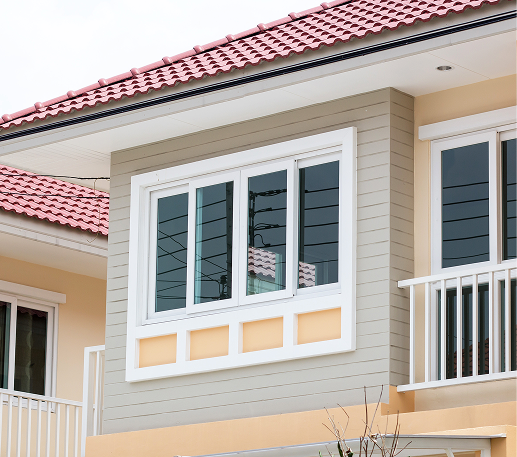
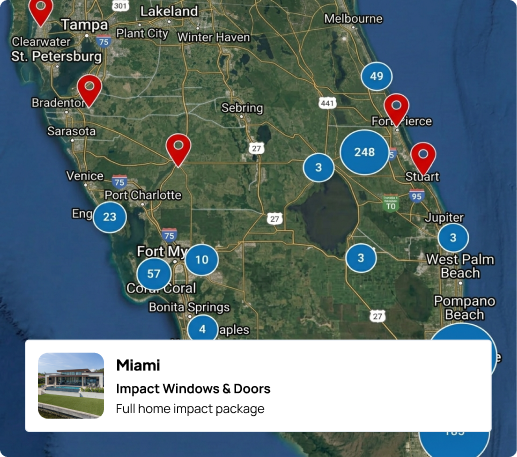
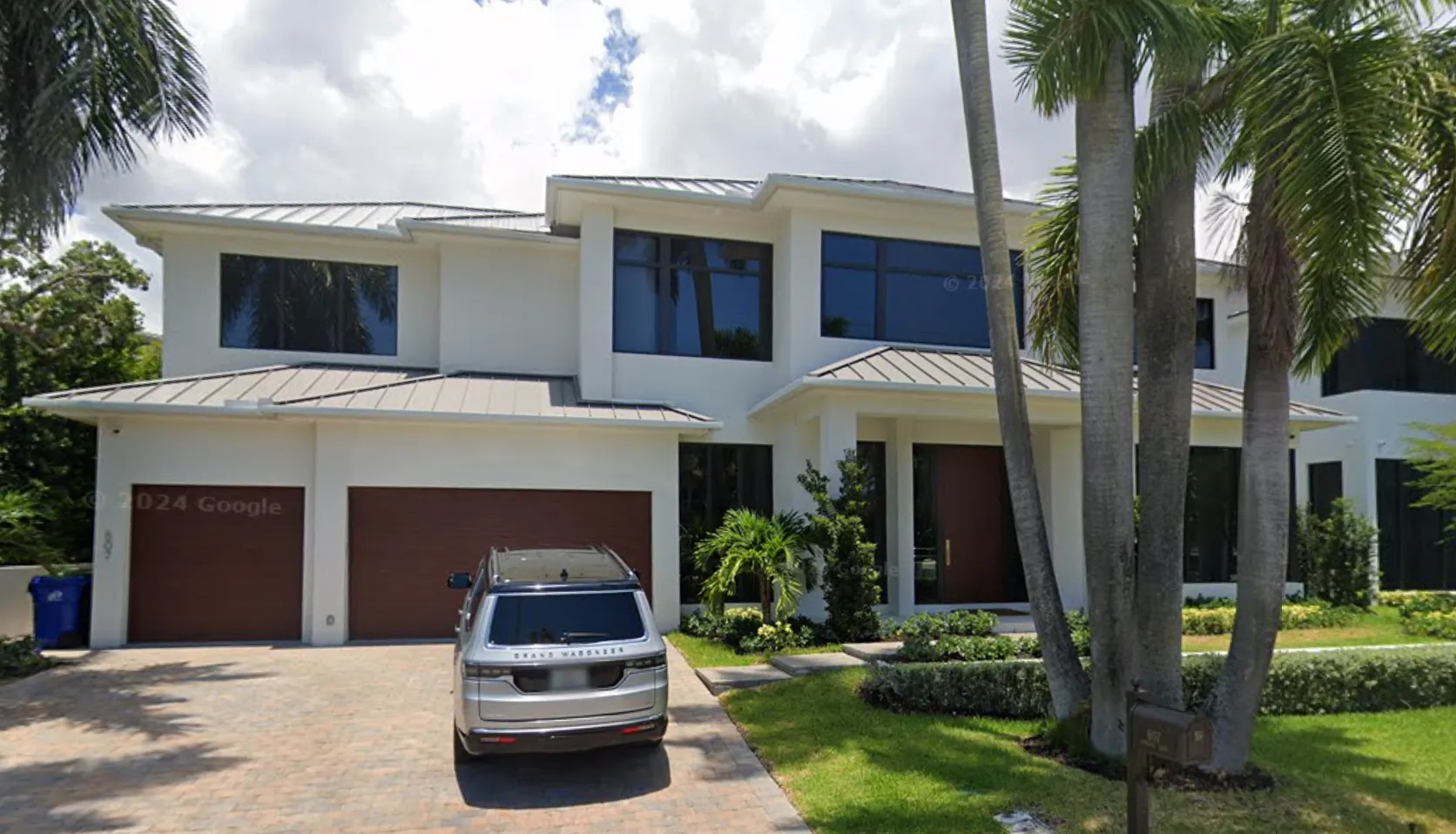
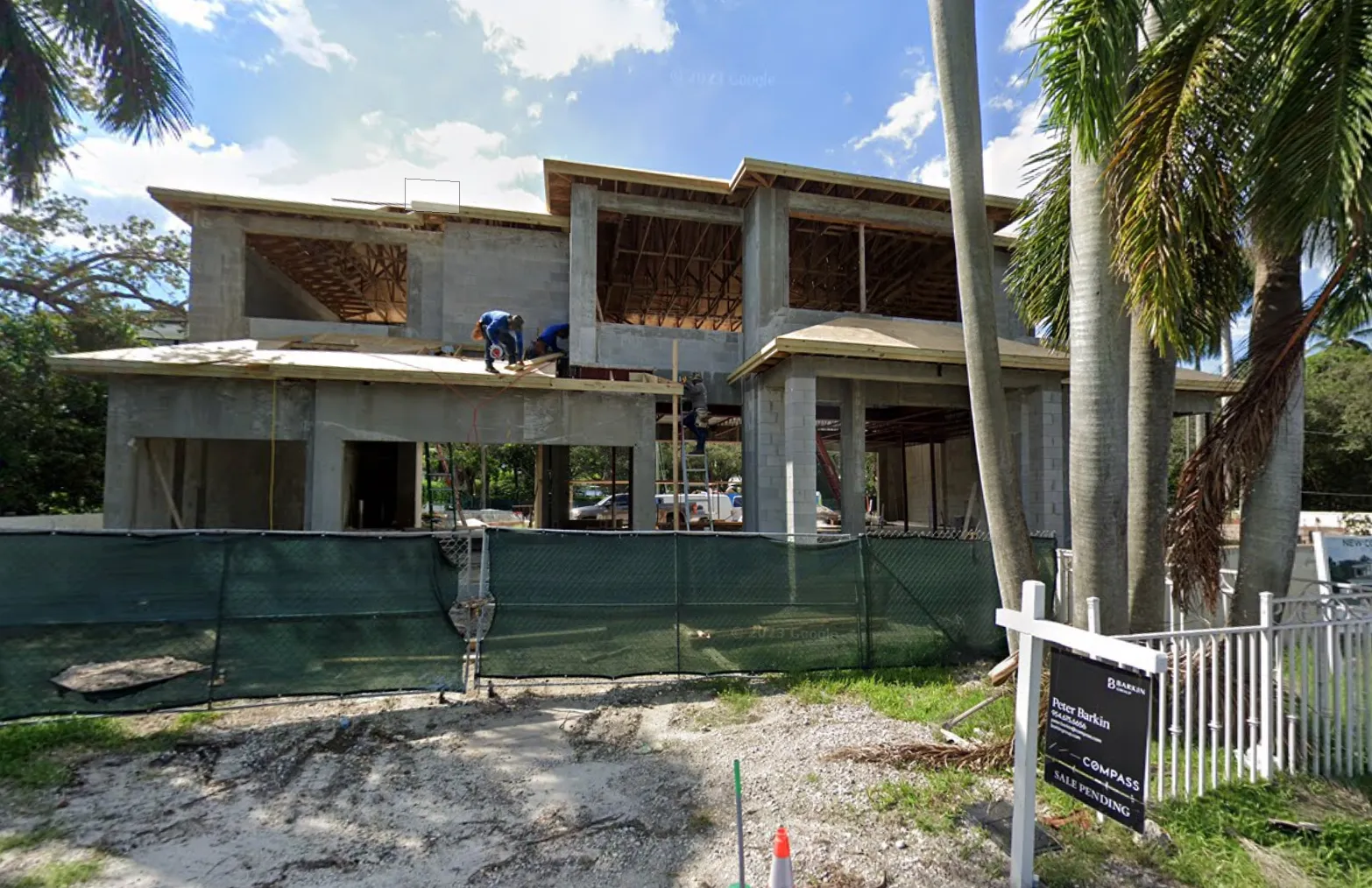
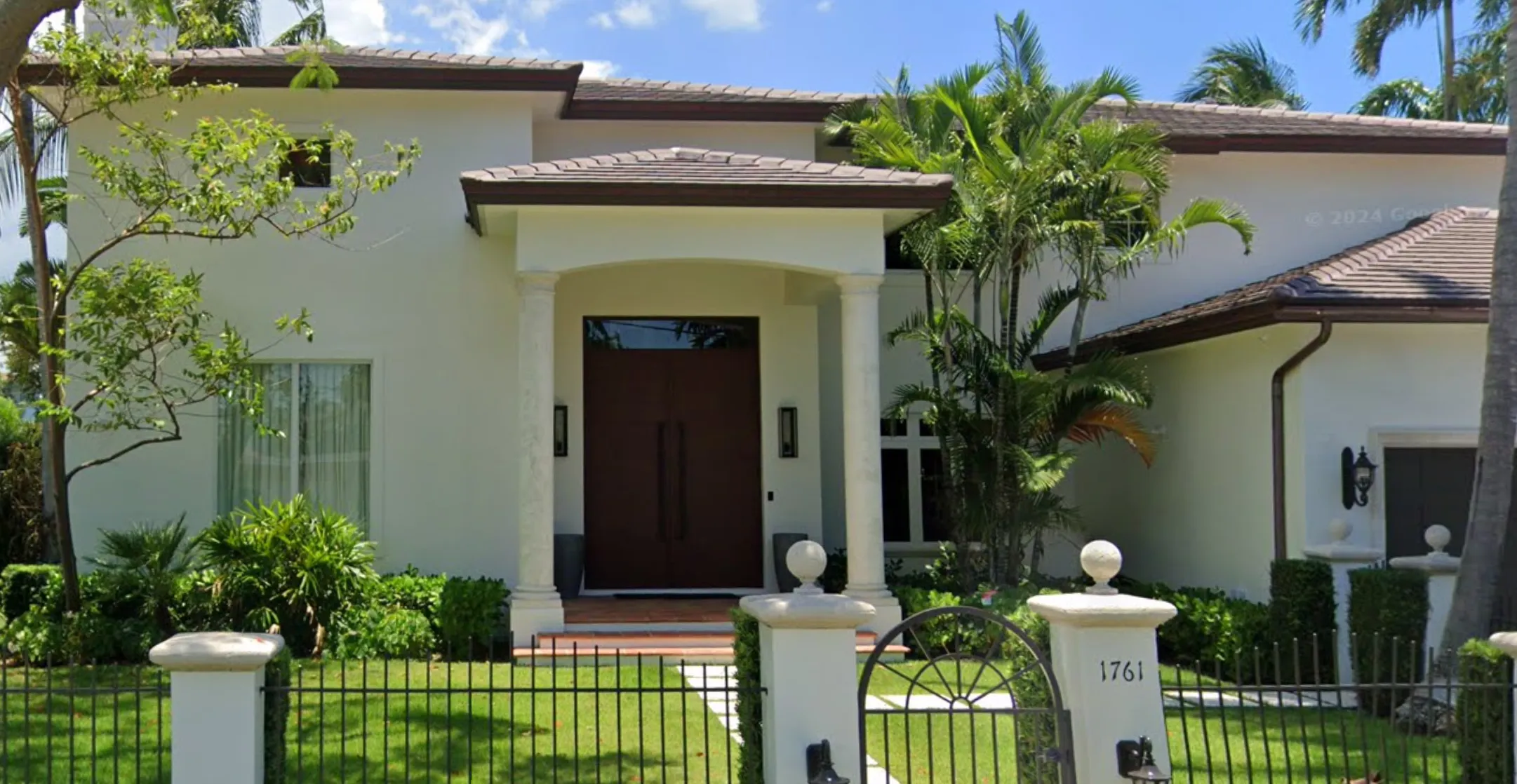
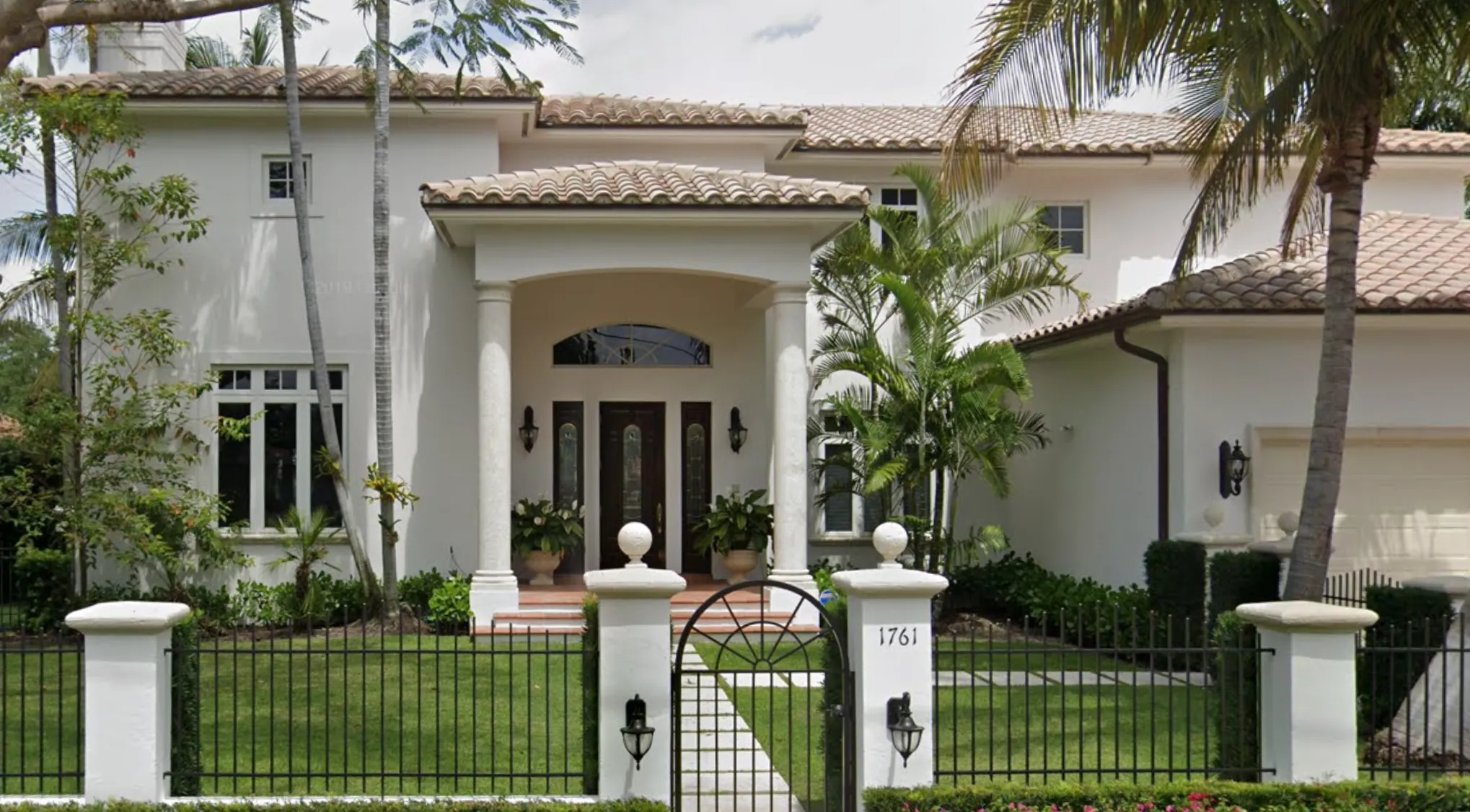
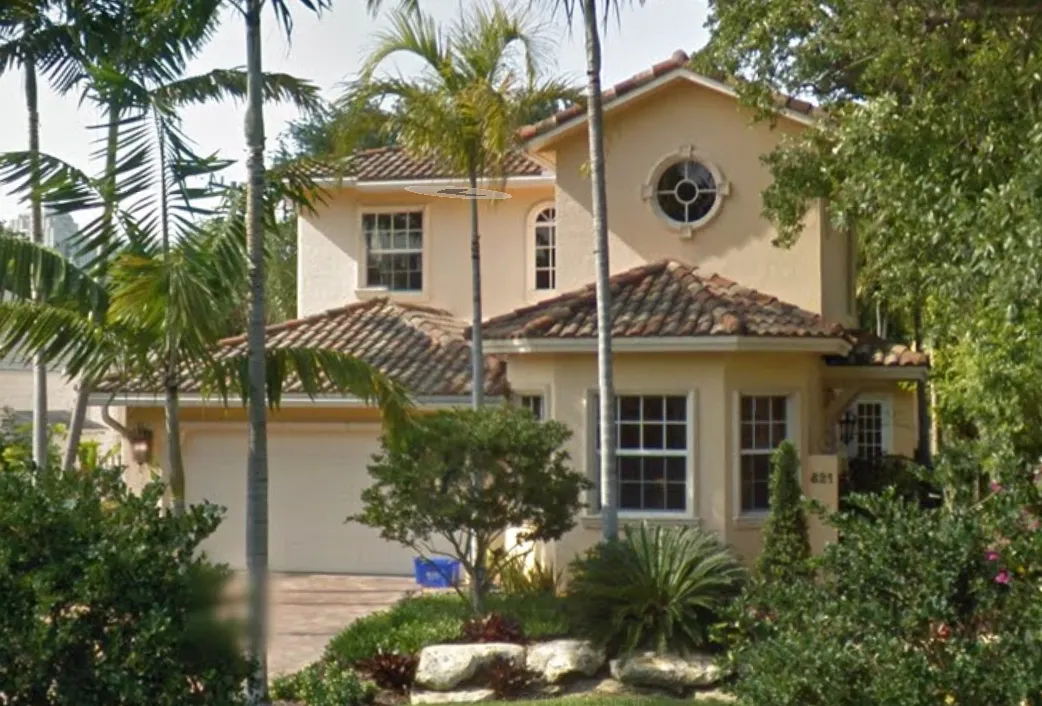
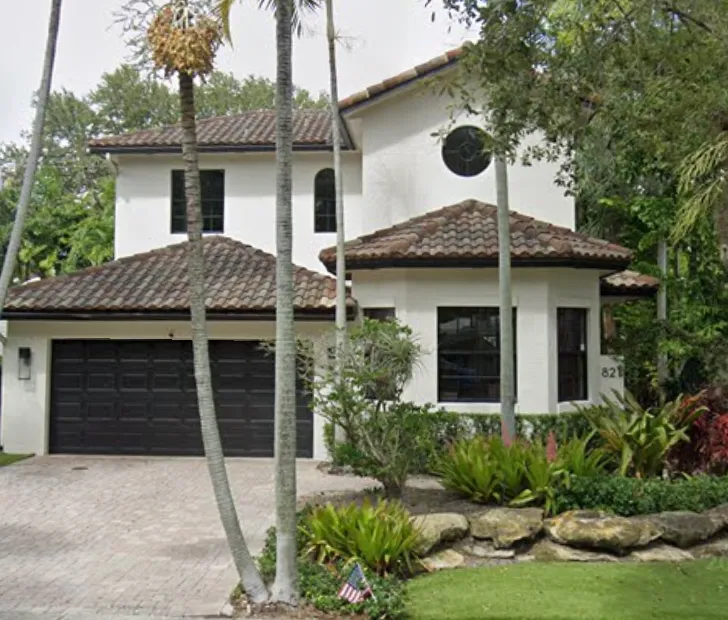
Drag the slider to see the transformation. Real homes, real installations.
 After
After
 Before
 After
After
 Before
 After
After
 Before
What South Florida homeowners say about working with our team.
⭐⭐⭐⭐⭐
Verified Review
From the free estimate to the final walkthrough, the whole team was professional and respectful of our home. The impact windows are gorgeous and our house is noticeably quieter and cooler.
Worth every penny.
Verified Review
Thank you for the great work. The team did an excellent job, and I’m very happy with how everything turned out.
Verified Review
They did a wonderful job. Everything works smoothly, and I’m very happy with my new doors.
Verified Review
Thank you so much! I’m very pleased with the work and really happy with the final result.
Verified Review
Thank you so much! I’m very pleased with the work and really happy with the final result.
Glass choice depends on the building. Staff reports quote a 2023 Historic Preservation Board direction: contributing buildings take clear, untinted, non-reflective glass with no Low-E; non-contributing ones may use gray glass. Outside the districts and designated sites, ES Low-E glass such as Solarban 70 is open to you; beachfront owners should first ask the city about sea-turtle lighting rules.
Frames have their own line on the city’s historic permit form: wood, or aluminum in white unless the board approves another color, with vinyl and other materials needing board approval. The 2010 review matrix lists a material-only change as staff review, so confirm the route with the city’s historic staff before ordering a vinyl frame.
Post-war Delray homes often had jalousie or awning windows. In a 2026 case, city staff noted that awning units meeting the Florida Building Code’s wind loads are not widely available, and called replacing them for storm hardening acceptable there if the new windows stay compatible with the house. Ask us which awning sizes carry an approval as hurricane windows.
Single-family houses and condo buildings along Delray Beach’s Intracoastal point to different ES lines: Elite is made for single-family homes, Multimax for multi-family buildings. We sell only ES Windows. How the permit, Notice of Commencement and inspections work in Delray Beach is on our Delray Beach permit page, and every window job here is permitted.
Built for single-family homes, rated for large and small missile impact, and made by ES to meet High-Velocity Hurricane Zone requirements. Heat-strengthened glass and corrosion-resistant hardware come standard, with frames for concrete or wood construction.
Developed for multi-family buildings, with laminated glass by Tecnoglass, clear or gray glass and coastal hardware as standard, and Solarban 70 Low-E glass for energy efficiency. Finishes come in white or bronze.
The premium line, with narrow sightlines, thermally broken aluminum, insulating glass and coastal hardware as standard. Two-tone finishes and custom colors are available for a custom look.
Vinyl frames for homeowners who want low maintenance, sound insulation and energy efficiency, with large-missile impact rating capabilities. Ask whether vinyl meets the rating each opening needs.




Window jobs in Delray Beach and its unincorporated neighbors are part of our Palm Beach County work, alongside Boca Raton and Boynton Beach, from our Hallandale Beach office.
On a contributing building, plan on clear glass. Recent staff reports quote a 2023 board direction for clear, untinted, non-reflective glass with no Low-E there, so Low-E or tint goes to the board. Non-contributing buildings may use gray glass, and homes outside the districts and designated sites can choose Low-E (beachfront homes: ask about sea-turtle lighting rules).
On a contributing building, a change of type, size or configuration goes to the Historic Preservation Board under the city’s review matrix, while non-contributing buildings stay at staff level under the matrix. City staff have described horizontal sliders as a matter for the board and offered single-hung or casement windows as a compromise in one awning-window case.
Ask the historic staff first. The city’s historic permit form lists wood or white aluminum, and says other materials such as PVC and other frame colors need board approval, while the review matrix the city’s code points to treats a material-only change as staff review. The board considers other materials case by case if the new windows match the originals’ profile and configuration.
Ask the city’s historic preservation staff at 561-243-7040. In the city’s guidelines, a contributing building is usually more than 50 years old, dates from the district’s period of significance and keeps its historic character. The city’s Historic GIS map shows each parcel’s status, but the city says the map is being updated, so confirm with staff before choosing glass and frames.
Yes, if the house is outside the five historic districts and not individually designated, since no historic review applies; a permit still does. Jalousie or awning openings can take single-hung, horizontal roller or casement impact units, each made to the opening, with its product approval number available on request. On a contributing building, a new type goes to the Historic Preservation Board.
Yes. The estimate is free and there is no obligation. Financing may be available for qualified homeowners through independent third-party providers, including PACE financing where a local program covers your property. In a historic district, bring photos of your original windows so the estimate can follow their type.