 Skip to content

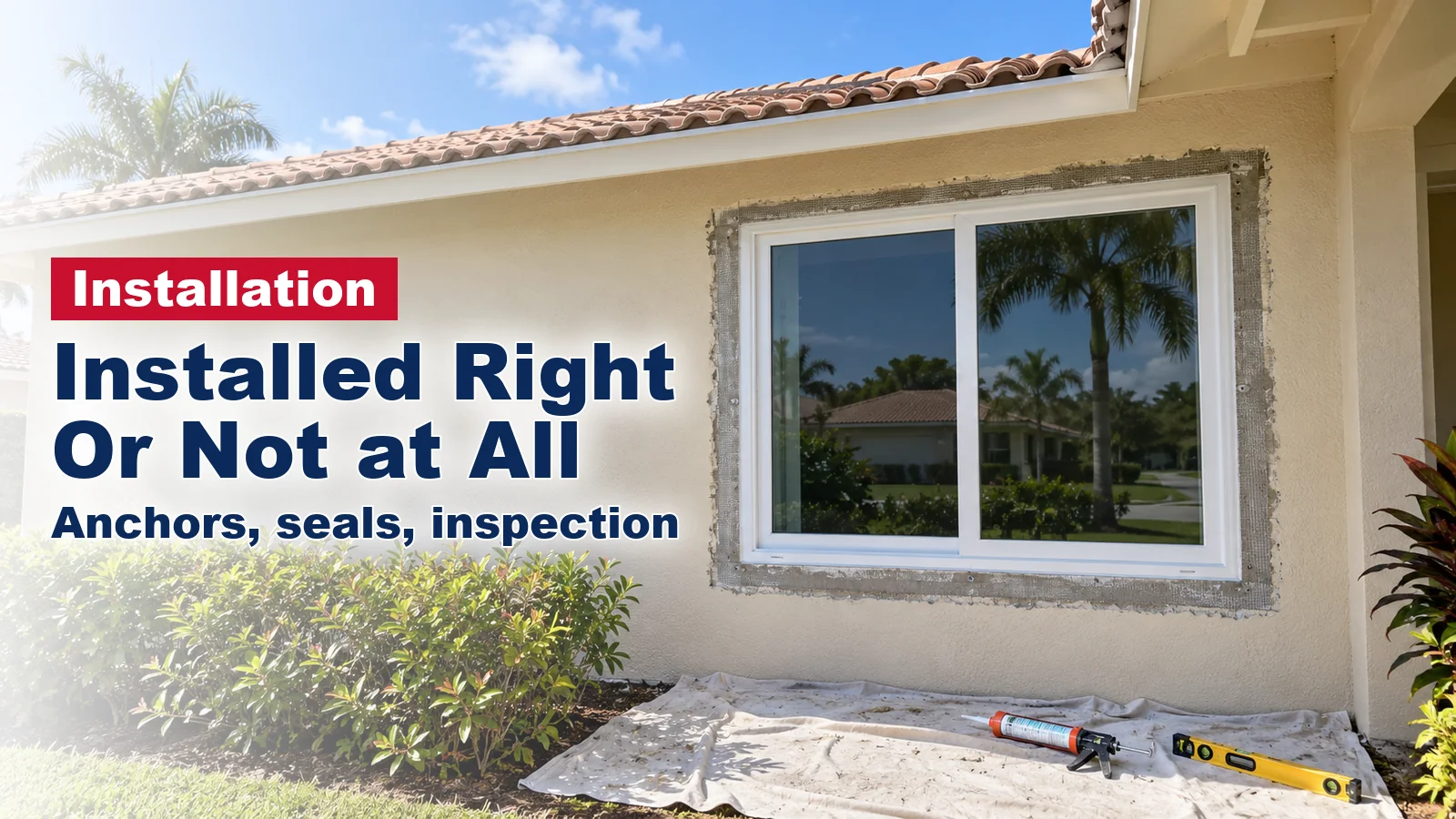
Proper impact window installation matters because the window only performs like the tested product when it is anchored, shimmed and sealed exactly as its product approval shows. In South Florida, a window with a top rating can still leak, rattle, fail its building inspection or lose its warranty if the installation cuts corners.
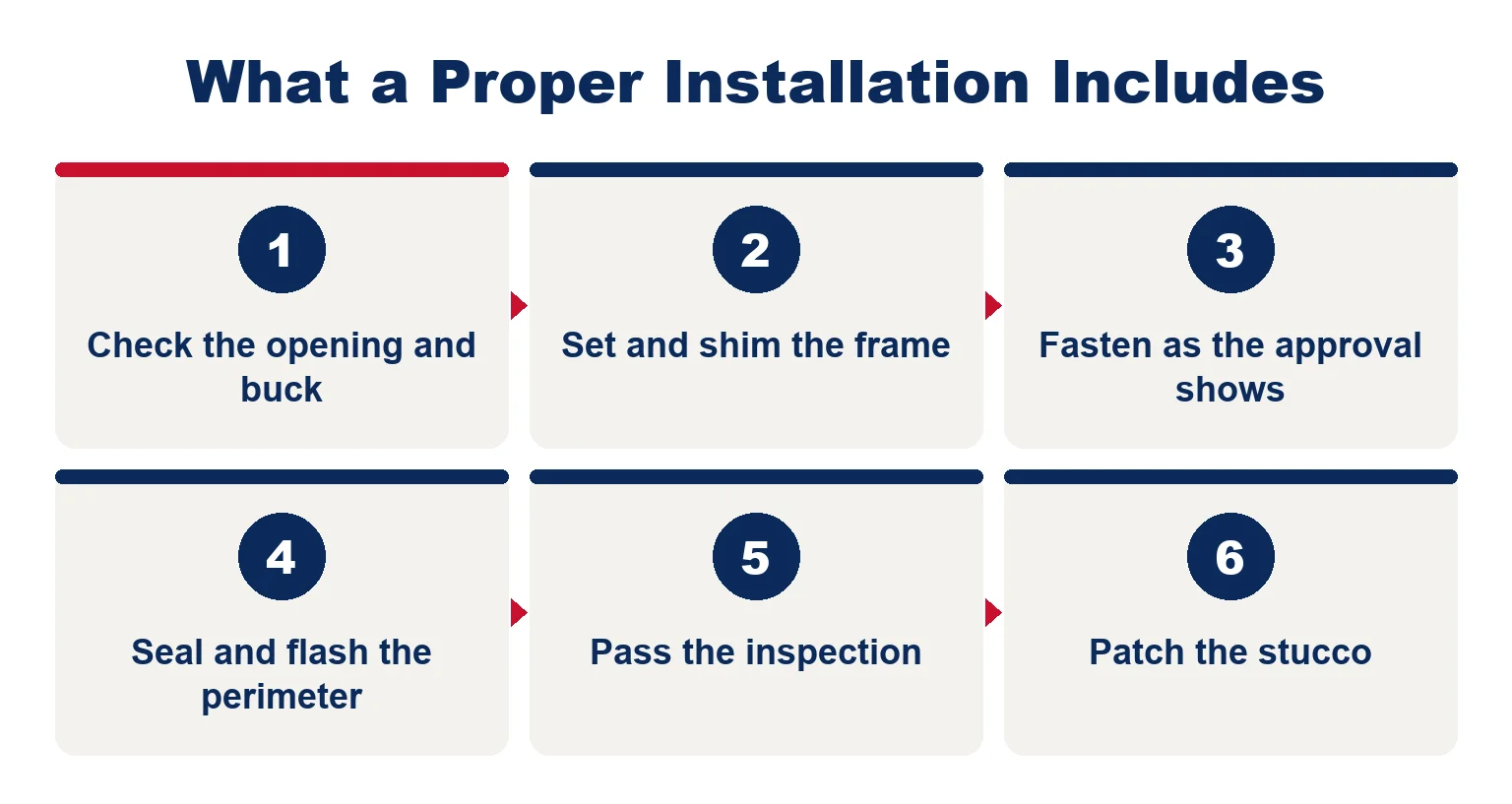
This article explains what a correct installation looks like in concrete block and stucco homes, what goes wrong when it is rushed, and what to ask your installer. If you want the full sequence from quote to final inspection, read our step-by-step impact window installation process.
For product types, ratings and costs, start with our South Florida impact window guide.
Why Installation Matters as Much as the Window
An impact window is tested and approved as a complete assembly: the glass, the frame and the way the frame is fastened to the wall. The design pressure on the label only holds if the window is attached to your house the same way it was attached in the test.
South Florida learned this the hard way. After Hurricane Andrew in 1992, reviews of the damage pointed at how buildings were built and checked, not only at the storm.
The International Code Council’s history of the Florida Building Code describes a varied collection of local codes and lenient enforcement before Andrew. The statewide Florida Building Code that followed made product approval and enforcement central parts of the system.
Hurricane Irma in 2017 was a reminder that the whole region is exposed. The National Hurricane Center’s Irma report records landfall in the Florida Keys as a Category 4 hurricane and a strike on southwestern Florida at Category 3 strength.
When a storm like that arrives, the anchors and seals around each opening do the real work.
That is why choosing the right impact window style and glass for your home is only half of the decision. The other half is who installs them and how.
The Product Approval Sets the Installation Rules
Every impact window sold for South Florida homes carries a product approval, and that approval includes the installation instructions the installer must follow.
In Miami-Dade and Broward, which form the High-Velocity Hurricane Zone (HVHZ), that usually means a Miami-Dade Notice of Acceptance (NOA) or a Florida Product Approval valid for the HVHZ. Palm Beach County and the rest of the state use Florida Product Approval.
The Florida Building Code ties the installation to that paperwork. Florida’s residential code requires window and glass door assemblies to be anchored according to the manufacturer’s published instructions to achieve the design pressure specified. The approval only covers the product when it is installed the way the approval shows.
The lab tests behind the approval, such as the TAS 201 missile impact test and the TAS 203 pressure cycles, are run on windows mounted with specific anchors. If you want to know what those tests involve, see how impact windows are tested for strength.
Fasteners and Spacing: What the Approval Drawings Specify
The approval drawings tell the installer exactly how to fasten the window. Miami-Dade’s Product Control checklist for window approvals requires manufacturers to show:
- Anchor type and size: for example, a specific concrete screw or wood screw, matching the one used in the test.
- Anchor location and spacing: at the head, jambs and sill, center to center and from the edge of the frame.
- Minimum embedment: how deep each anchor must go into the concrete, block or wood.
- Separate details for each wall type: installation into a 1x wood filler, a 2x wood buck, concrete or concrete block.
- Shim space: the gap allowed between the window frame and the buck.
The same checklist says there shall be no reduction in the number, size or spacing of anchors compared with the tested units. Fewer screws to save time, or a cheaper anchor than the one shown, means the window is no longer installed as approved.
When the Opening Does Not Match the Drawings
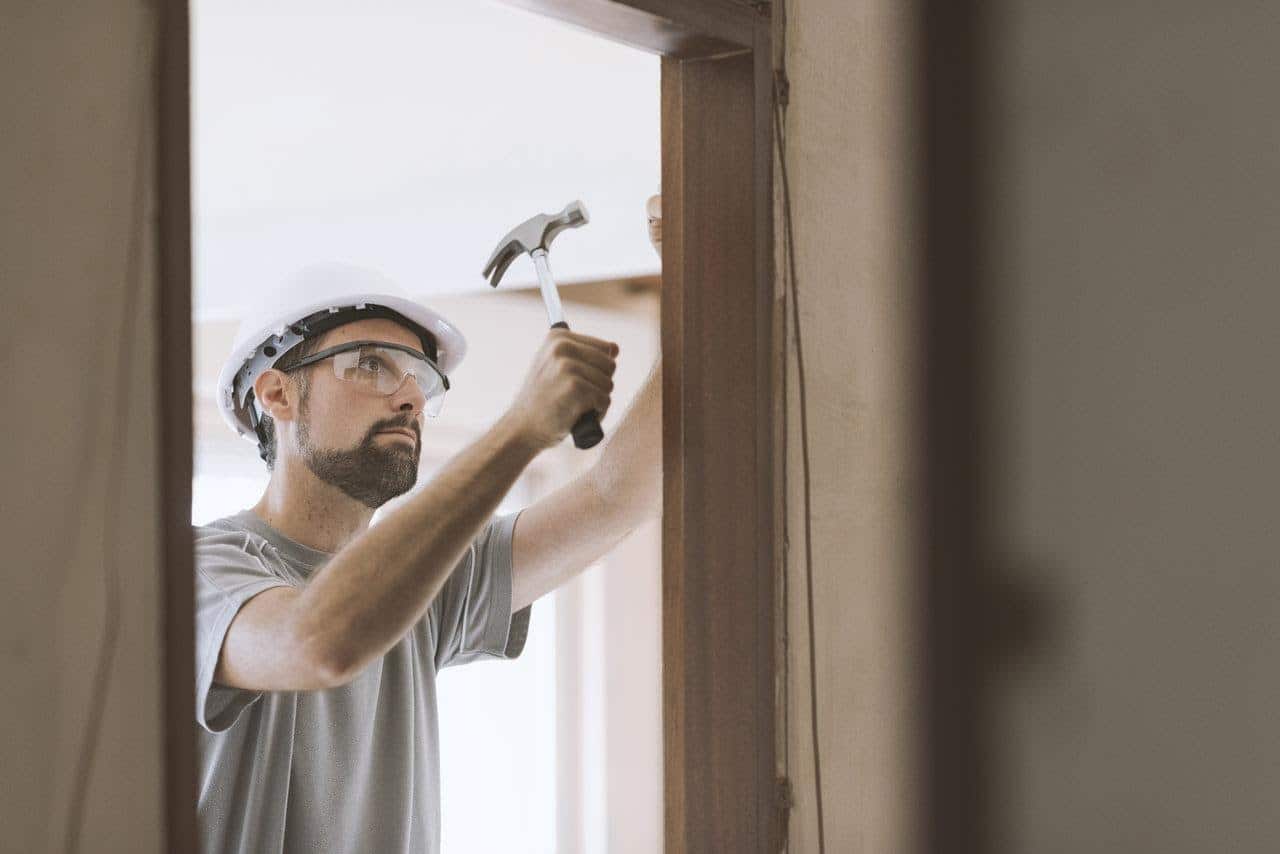
Older South Florida homes do not always match the approval drawings. The opening may be out of square, the block may be damaged, or the wall may be a type the drawings do not show.
Florida’s residential code allows a substitute anchoring method for a substrate the manufacturer did not specify, but only if it gives equal or greater anchoring performance shown by accepted engineering practice.
In practice, that usually means a signed and sealed letter or drawing from a Florida engineer, attached to the permit. A good installer finds these conditions at the measuring visit and solves them on paper, before install day.
Bucks, Shims and the Condition of the Opening
A buck is the wood frame fixed inside a concrete block opening that many windows are fastened to. In a typical South Florida concrete block (CBS) home, the condition of the buck decides how well the new window will hold.
Florida’s residential code, as reproduced on county window inspection forms, sets two cases for wood bucks in masonry openings:
- Bucks or shims less than 1-1/2 inches thick: the window is anchored through its frame, or with jamb clips or a subframe, into the masonry or concrete behind, following the manufacturer’s instructions.
- Bucks 1-1/2 inches thick or more: the buck must fully support the window frame and be securely fastened so it transfers the load to the masonry or concrete.
Old bucks can be rotted, split or loose after years of small leaks. Fastening a new impact window into a weak buck wastes the window’s rating, so the installer should check every buck once the old window is out and replace any that are damaged.
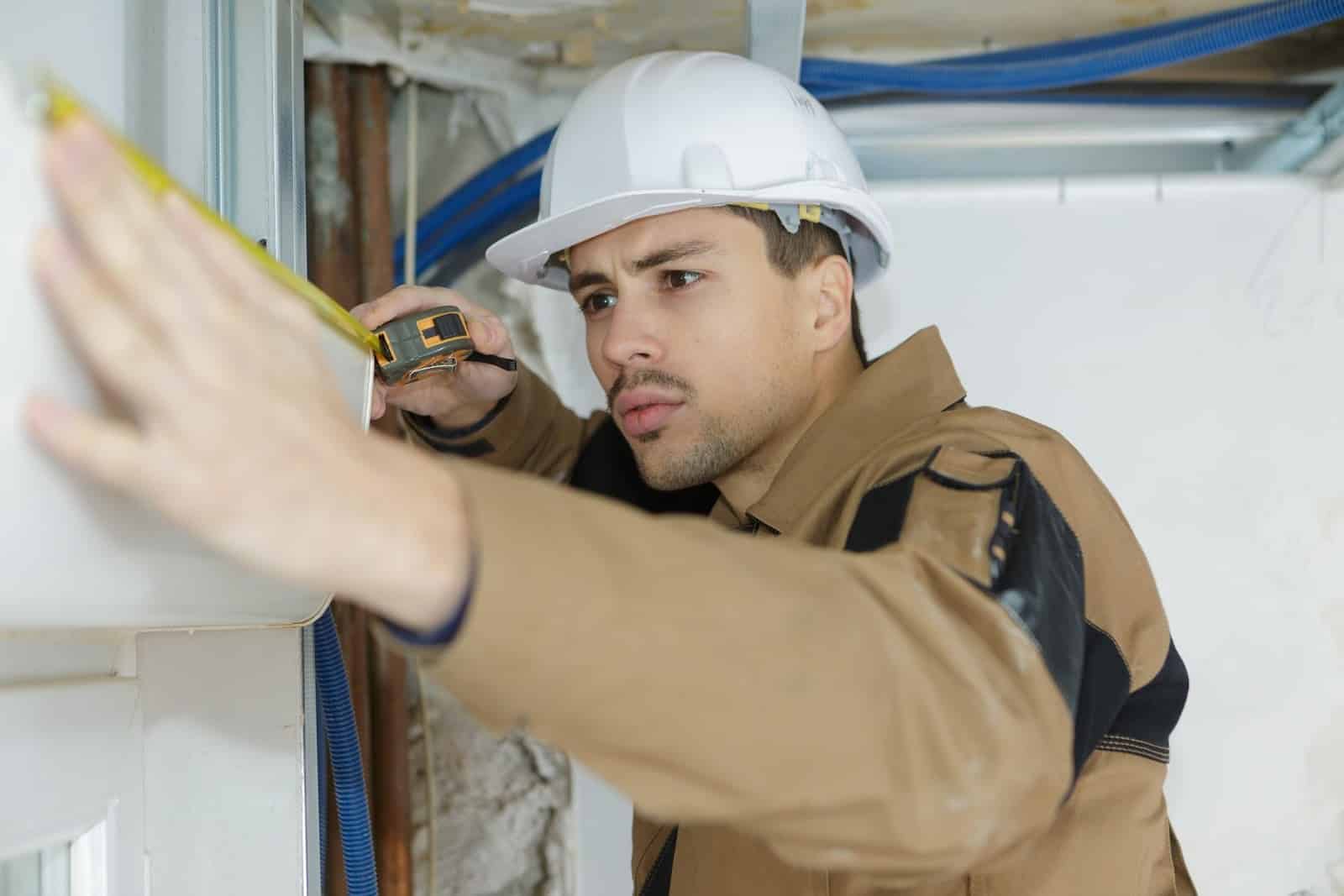
Shims fill the gap between the frame and the opening so the window sits level, square and fully supported. Too few shims let the frame flex; too many, or shims in the wrong place, can bow the frame and make the window hard to lock.
Sealing and Flashing in Concrete Block and Stucco Walls
Sealing and flashing keep wind-driven rain out of the wall around the window. Florida’s residential code requires windows to be installed and flashed according to the manufacturer’s written instructions, and window openings to be flashed under the code’s exterior wall rules.
Sealant alone is not enough. FEMA’s window and door installation fact sheet for coastal homes describes flashing details that resist water intrusion without relying solely on sealants. FEMA also warns that water getting in around openings can cause rot and fastener corrosion that weaken the frame or the wall.
In concrete block and stucco homes, a careful installation includes:
- Sealant applied where the manufacturer’s instructions show it, with a clean, dry surface and no gaps at the corners.
- Flashing or a sill detail at the bottom of the opening so any water that gets in is directed back out.
- Stucco cut back neatly where the old window comes out, then patched and sealed so water cannot get behind the new frame.
- Weep holes in the frame left open, never caulked shut.
Removing an old window from a concrete block wall often cracks the stucco around it. That is normal, but your contract should say who patches, primes and paints those areas.
What Goes Wrong When Installation Is Rushed
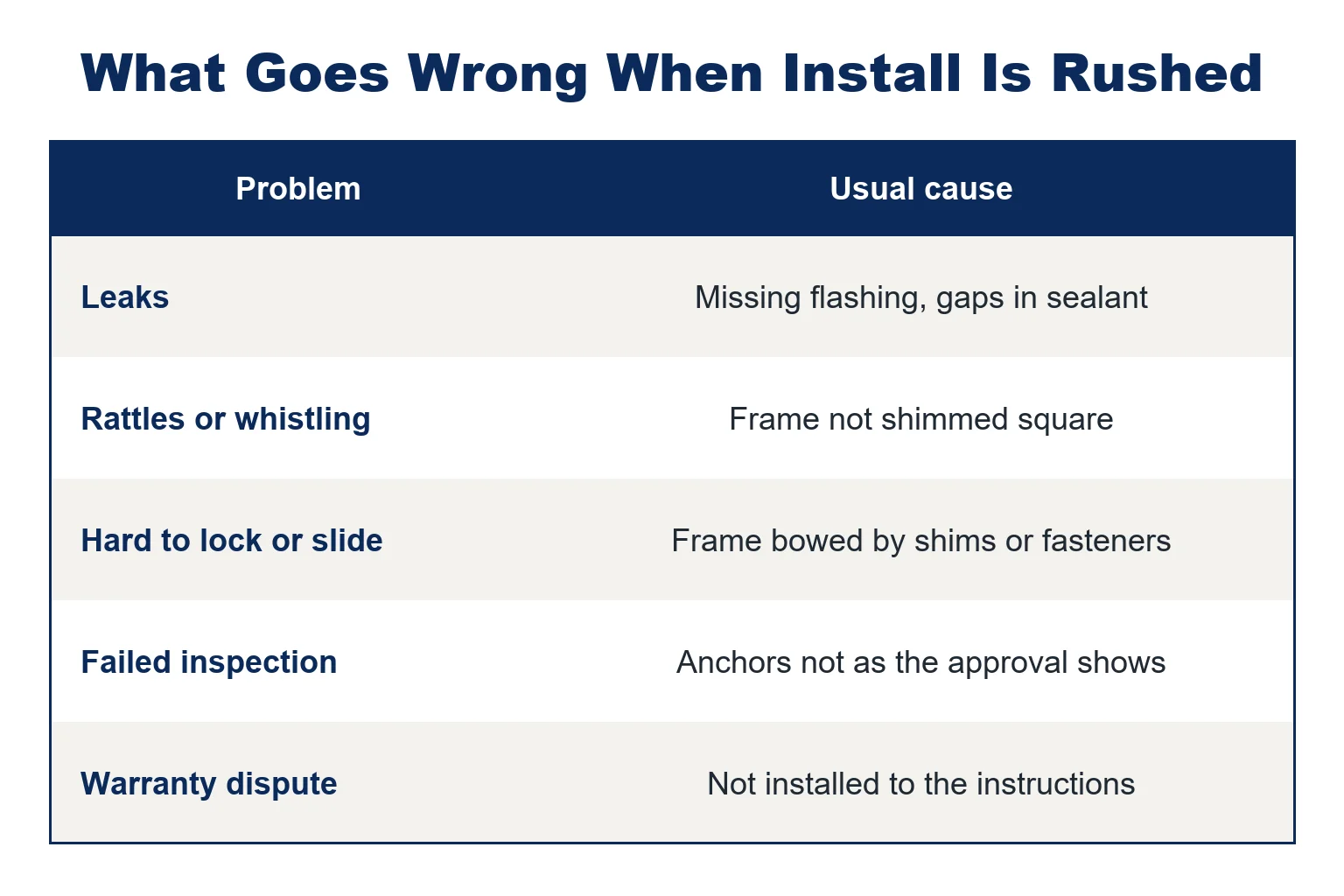
Many problems with new impact windows come from the installation, not the glass. This table shows the common ones, what you notice, and the usual cause.
| Problem | What you notice | Usual cause |
|---|---|---|
| Leaks | Water at the sill or stains on drywall after rain | Missing flashing, gaps in sealant, caulked weep holes |
| Rattles or whistling | Noise or drafts on windy days | Frame not shimmed square, poor seal at the perimeter |
| Hard to lock or slide | Sash sticks or will not latch | Frame bowed by shims or fasteners, opening out of square |
| Failed inspection | Inspector writes a correction | Anchors or spacing not as the approval shows |
| Warranty dispute | Manufacturer declines a claim | Product not installed to its instructions |
A failed inspection is the problem you hear about first, because the inspector compares the work with the approval. Leaks and rattles can take a rainy season to show up, which is why the workmanship warranty matters.
How the Building Inspection Checks Your Installation
The building inspection is the independent check that your windows were installed as approved. Your contractor requests it, and the permit is not closed until it passes.
Miami-Dade County’s fast-track window and door permit disclosure shows how closely the fasteners are checked. Its “102-Buck and Fastener” inspection is requested when all windows are installed, but before the interior frame perimeter is caulked, sealed or finished, so the inspector can see the shim space.
The same form says not to install fastener cover plates that would hide the fasteners. Cities run their own building departments and inspection steps, but the idea is the same.
So if a crew wants to finish the inside trim before the inspection, ask why. Keep the passed inspection result with your approval documents. You will need them to check whether your windows are hurricane rated later, for an insurer or a buyer.
Manufacturer Warranty vs Workmanship Warranty
You need two warranties, because the manufacturer’s warranty does not cover the installation. The manufacturer covers defects in the product. The installer’s workmanship warranty covers the way it was put in.
A typical manufacturer’s limited warranty covers manufacturing and material defects and excludes damage caused by improper installation. Many also limit the maker’s responsibility to repairing or replacing the product, not labor or water damage to your walls and floors.
That leaves leaks, rattles and installation defects with the installer. Before you sign with anyone, get the workmanship warranty in writing and check:
- How long it lasts, and whether it covers leaks around the frame.
- Whether it covers stucco and drywall repairs caused by a faulty installation.
- Who you call, and how quickly they respond.
- Whether it transfers to a new owner if you sell.
When you have more than one offer, weigh each impact window quote item by item, including both warranties, before price.
Questions to Ask Your Installer Before You Sign
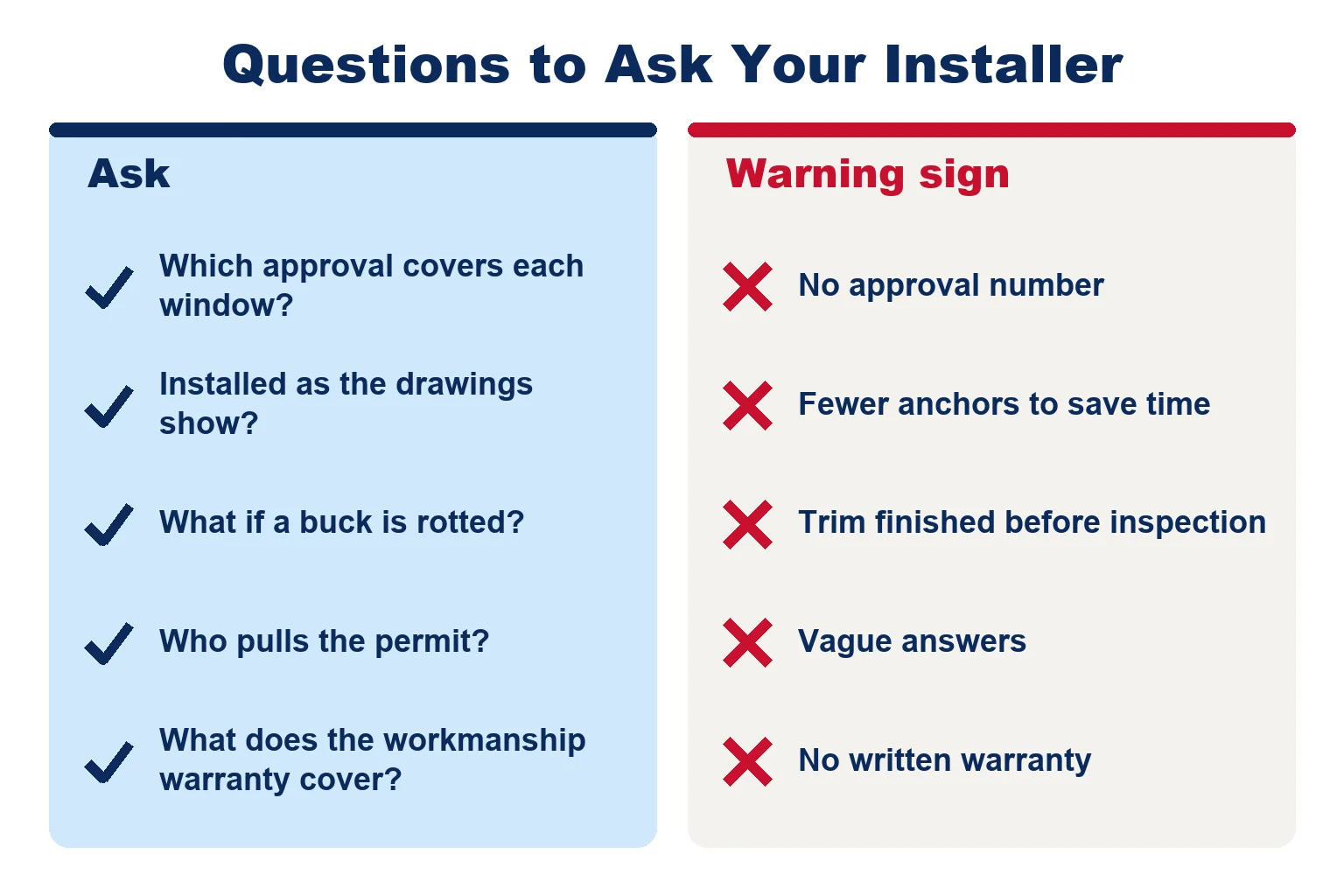
The best way to get a proper installation is to ask about it before the contract, not after the crew leaves. A qualified installer will answer these questions without hesitation:
- Which product approval (NOA or FL number) covers each window, and is it valid for my county?
- Will you install every window exactly as the approval drawings show, including anchors and spacing?
- What do you do if a buck is rotted or the opening does not match the drawings?
- How do you seal and flash the windows in a concrete block and stucco wall?
- Do your installers hold certification from the window manufacturer, and who supervises the job?
- Who pulls the permit, and will you wait for the inspection before finishing the interior?
- What does your workmanship warranty cover, and for how long?
Vague answers are a warning sign. For the license and insurance checks that come first, see how to choose an impact window company, and use the four things to check in hurricane impact windows to judge the product itself.
Installation Quality FAQs
Why is my new impact window leaking?
A new impact window that leaks usually has an installation problem, not a glass problem. Common causes are missing flashing at the sill, gaps in the perimeter sealant, cracked stucco around the frame, or weep holes that were caulked shut. Call your installer and use the workmanship warranty before the water damages the wall.
Can my old window bucks be reused?
Sometimes. A buck that is solid, dry and securely fastened to the block can often stay, as long as it suits the anchoring details in the new window’s approval. Rotted, split or loose bucks should be replaced.
The installer can only judge this once the old window is out, so the contract should say how replacement is priced.
Can impact windows be installed without damaging the stucco?
Some stucco damage around the opening is hard to avoid when old windows come out of a concrete block wall. A careful crew cuts the stucco neatly, then patches and seals it so water cannot get behind the new frame. Ask whether patching, priming and painting are included in your price.
Does a poor installation affect my insurance discount?
It can. A wind mitigation inspector needs proof that each opening has an approved, protected product, and the permit and approval documents are that proof. An open permit or a window installed outside its approval can make the credit harder to claim.
See our guide to wind mitigation insurance credits for how the credit works.
Get Your Impact Windows Installed Right the First Time
If you are comparing installers, judge them on how they anchor, seal and inspect, not only on the window brand. Ask the questions above, get both warranties in writing, and make sure the permit is closed when the job is done.
If the budget is what holds you back, impact window payment plans can spread the cost for qualified homeowners.
Call USA Home Improvement at (877) 554-6373 to talk through your openings, the product approvals and how we install in concrete block and stucco homes across South Florida. Most of our jobs carry a 15-year warranty and a 1-year labor warranty, plus a transferable warranty; ask us what each one covers.
USA Home Improvement is licensed (CGC1526707) and insured and has served Florida homeowners for more than 15 years.