 Skip to content
Check condition and moisture
Identify deterioration or trapped-moisture concerns and how they will be investigated. Document any material that cannot remain beneath the proposed work.

Home / Roofing / Gaco roof coating
South Florida · Roof planning & careConsidering a Gaco coating for your existing roof? USAHI assesses whether the roof is a suitable candidate and explains any preparation or repairs. We compare the proposed coating scope with the work the roof actually needs before you decide.
Discuss your roofing projectExplore cost planning
Manufacturer illustration: Gaco.
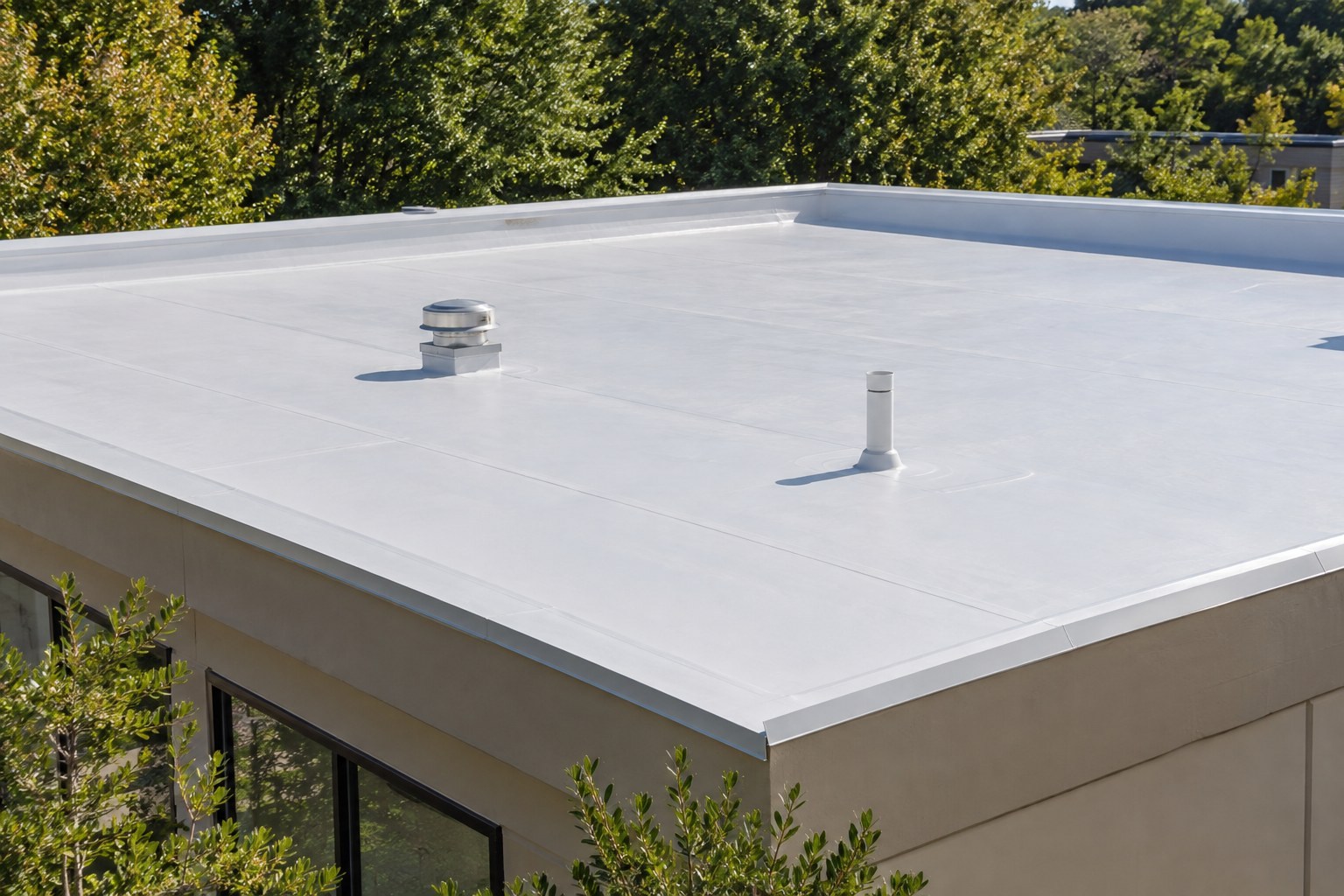
Gaco offers silicone roof-coating products for specified existing roof surfaces. The selected coating forms a protective layer over a prepared substrate. Its suitability depends on the actual roof and product instructions, not simply on choosing a silicone brand. Treat the roof as a candidate to evaluate rather than a surface to repaint. The proposed work should explain which existing materials remain and why.
An assessment should establish the condition of the assembly below the surface and what must be repaired or removed. Coating cannot replace rotten decking, correct structural failure or make every wet or deteriorated roof suitable to retain. Compare coating with repair or replacement after those conditions are understood. The useful comparison is the work each option actually accomplishes: a lower initial scope is not automatically the better choice if necessary repairs are absent. Compare coating with roof replacement.
No. The existing surface, condition and selected product determine suitability. Some roof types are excluded by particular products; GacoRoof GR16, for example, is not for individual asphalt shingles. An existing coating also needs to be identified where possible; one successful application on a different roof does not establish compatibility here.
No. A coating retains an existing roof assembly subject to the agreed preparation and repairs. Replacement involves a different scope and may be needed where the underlying assembly cannot appropriately remain. Ask the contractor to draw the boundary between the retained roof, local repairs and new coating so both proposals can be compared honestly.
No. A coating’s resistance to standing water does not establish that the roof structure or drainage arrangement is sound. Have persistent water accumulation assessed as part of the project. Ask what causes the accumulation and whether drainage corrections are included. A product’s water-resistance claim does not describe the condition of the roof beneath it.
A roof-specific adhesion check, together with the selected product's substrate requirements, establishes whether the proposed preparation and primer are suitable. The proposal should identify the test result and what it means for this roof. Good surface adhesion does not prove that wet insulation, deteriorated decking or the layers underneath are sound.
Do not assume so. Identify the leak and the condition of the roof before selecting the treatment. Local defects or damaged materials may need repair before coating is appropriate. Keep the repair diagnosis separate from the coating recommendation so the underlying cause does not disappear into a general waterproofing line item.
The candidate assessment matters more than the color of the coating. Ask for a clear decision on these points.

Assess condition and moisture, define repairs and preparation, then specify the exact coating system.
Identify deterioration or trapped-moisture concerns and how they will be investigated. Document any material that cannot remain beneath the proposed work.
Name the Gaco product and proposed substrate. Record how compatibility, adhesion and any preparation requirements will be established.
Assess persistent water, edges, penetrations and junctions. Separate necessary repairs from the coating application itself.
Compare material choices in the context of the actual roof. Compare roofing materials for South Florida homes.
A coating proposal should explain why the existing roof can remain and how the chosen system will be applied to it. A bright new surface is not evidence that the underlying assembly was suitable.
Ask what the contractor found in the existing roof and which areas need repair or removal. A coating can be a useful option only if the retained assembly supports that choice. Where deterioration is extensive, compare the reasons for replacement rather than accepting a coating simply because it involves less visible demolition.
Surface appearance alone cannot settle every question about moisture below the roofing. Agree how suspicious areas will be investigated and what happens if the findings change the scope. The homeowner needs the conclusion and supporting observations, not an assurance based only on how the roof looks from above.
The proposal should name the existing substrate, selected product and required preparation. Compatibility, cleaning, repairs and any primer decision need a stated basis. An adhesion check concerns whether the proposed coating will bond to that surface; it is not proof that damaged materials beneath it are sound.
Coating does not create a new structural deck, redesign drainage or make a roof a terrace. Identify excluded roof areas and special details before agreeing on the work. If the assessment rules coating out, ask for a repair or replacement comparison that addresses the actual condition rather than merely changing the sales description.
For a suitable roof, coating can be an option to compare with other work. Its value depends on sound conditions and a defined system.
Coating may allow appropriate existing material to remain. The assessment must justify that choice rather than starting from an assumption that tear-off can always be avoided. That decision should include the remaining roof’s condition and the work excluded from the coating price, not simply a comparison of surface-treatment totals. Compare retaining the roof with replacement.
The specified coating can form a continuous protective layer across the prepared roof and its treated details. That is useful only when the retained assembly is a suitable substrate. Ask how the application requirements and completed coverage will be checked; merely describing the work as roof paint does not establish a finished coating system.
Document repairs and surface work separately so the estimate explains what happens before the coating is applied. This lets you see whether two contractors are pricing similar remedial work or merely offering the same color of finish. Review the repair work beneath the coating decision.
A coating project can combine necessary local repairs with treatment of seams, penetrations and transitions under the chosen system. Compare what happens at those details before comparing the coated area. A broad new surface does not show whether an open seam or equipment connection received the required preparation.
Ask how future maintenance and equipment service should be managed for the selected coating. Keep the instructions with the roof records. Future repair products and access arrangements should remain compatible with the installed system; do not assume any later roof paint can be used.
Choose between scopes after an assessment. Coating, a local repair and replacement are not interchangeable promises to stop every leak.
| Option | What it involves | When to consider it | Check first |
|---|---|---|---|
| Gaco coating assessment | Evaluates a specified coating over a suitable retained surface. | Consider it where the existing assembly and preparation support that approach. | Product compatibility, condition, moisture, adhesion and details. |
| Targeted roof repair | Treats an identified defect with an appropriate repair. | Consider it when the problem is limited and the surrounding assembly can remain. | Cause, affected materials and repair compatibility. |
| Roof replacement | Provides a new specified assembly rather than relying on the existing surface. | Consider it where retained materials or the overall roof condition make coating unsuitable. | Removal, deck work, insulation, drainage and new-system scope. |
Use visible changes to prepare questions for a professional assessment. Understand signs a roof may need replacement.
Use observations from inside or safely at ground level to describe the concern. Leave rooftop inspection and testing to qualified professionals.
Bring the repair history to the assessment. Repeated patches may indicate a broader issue that coating alone would leave unresolved. Recognize concerns to discuss at the assessment.
Report where and when changes appear. Have the affected assembly checked before agreeing to cover the surface.
Describe safely observed drainage concerns. The coating selection should not replace an assessment of why water is accumulating.
Recurring leaks and damaged details deserve a defined repair plan. Read about roof damage before storm season.
The cost depends on the actual roof, its condition and the work included. Ask for a measured, itemized proposal so you can compare equivalent scopes.
Review material, preparation, repairs, access, disposal and any required approval or inspection responsibilities. Confirm how additional work will be documented and agreed.
Request a scoped estimateRepairs, unsuitable materials and moisture-related work affect whether coating is feasible and how much preparation is required.
Product selection, substrate texture, required preparation and application specification affect material and labor needs.
Penetrations, perimeter conditions, equipment and safe access affect the work beyond the open roof area.
Identify the system, concern, condition and access.
Confirm materials, details, responsibilities and changes.
Coordinate weather, site protection and required approvals.
Confirm the completed scope, care and written records.
Review the proposed work, then explore current payment options.
Explore financing optionsFinancing may be available for qualified homeowners through independent third-party providers. Terms, eligibility and availability depend on the program and location. Review the written offer, total repayment and any fees before committing.
Compare the complete project scope first. Keep the work specification separate from the payment offer so a monthly amount does not hide different materials or excluded repairs.
Keep the selected product and maintenance guidance available. Ask which materials are compatible with future repairs or recoating.
Coated roofs are not automatically walking surfaces. Have required access and equipment-service routes planned; do not climb onto the roof to check the coating yourself.
Record repairs, equipment changes and inspections so a future contractor can identify what has been installed and disturbed.
Ask for the candidate-assessment findings, exact Gaco product, retained and removed materials, repairs, preparation, adhesion checks, primer where needed, application specification, detail treatments and maintenance handoff. Keep exclusions and concealed-condition terms explicit.
Discuss the roofing scopeBring the condition of your roof, your priorities and your questions. Ask for the recommended work and the reasons behind it in writing.
Discuss your roof with USAHIBrowse our existing service-area pages, then discuss availability and the requirements for your roofing project. These are general area guides, not dedicated pages for every roof type.
Use these answers to prepare for an assessment of your actual roof. The proposal should explain the recommended work and why it fits the condition found.
No. Deck deterioration or structural concerns require assessment and appropriate repair. A surface coating cannot perform that work. If deterioration is suspected, agree on how it will be examined and what findings would stop or change the coating work.
No. Compare the specified system, preparation, application requirements, repairs and detail work. Container count alone does not show whether proposals cover the same scope. A smooth roof and a textured roof can require different material quantities; the proposed application specification matters more than a count of containers.
No. Any building effect depends on the selected product, existing insulation and the rest of the building. Do not budget a guaranteed energy saving from surface color alone. Keep a product’s tested surface properties separate from a prediction for your house. No utility-bill reduction is assumed in this proposal discussion.
Not necessarily. Product requirements and the roof assessment govern surface condition, drying and application weather. Ask how the contractor confirms those conditions rather than relying on appearance alone. The work schedule needs room for preparation and suitable conditions rather than a promise based only on the day the crew arrives.
Ask for the reason and compare the appropriate repair or replacement scope. A useful assessment should explain why the alternative better addresses the roof’s condition. Ask which existing conditions make retaining the roof unwise, and which parts of the alternative scope directly address those findings. Read about signs that merit a replacement assessment.